


Categories
- 3d CGI
- Amusements
- Animation
- Anime & Manga
- Art Materials
- Art Videos
- Blogroll
- Cartoons
- Color
- Comics
- Concept & Visual Dev.
- Creativity
- Digital Art
- Digital Painting
- Displaying Art on the Web
- Drawing
- Eye Candy for Today
- Gallery and Museum Art
- High-res Art Images
- Illustration
- Motion Graphics & Flash
- Museums
- Online Museums
- Outsider Art
- Painting
- Painting a Day
- Paleo Art
- Pastel, Conté & Chalk
- Pen & Ink
- Prints and Printmaking
- Reviews
- Sc-fi and Fantasy
- Sculpture & Dimensional
- Site Comments
- Sketching
- Storyboards
- Tools and Techniques
- Uncategorized
- Vector Art
- Videos & Podcasts
- Vision and Optics
- Watercolor and Gouache
- Webcomics
Archives
- August 2026
- July 2026
- June 2026
- May 2026
- April 2026
- March 2026
- February 2026
- January 2026
- December 2025
- November 2025
- October 2025
- September 2025
- August 2025
- July 2025
- June 2025
- May 2025
- January 2025
- December 2024
- November 2024
- October 2024
- September 2024
- August 2024
- June 2024
- April 2024
- March 2024
- February 2024
- January 2024
- December 2023
- November 2023
- October 2023
- September 2023
- August 2023
- July 2023
- May 2023
- April 2023
- March 2023
- February 2023
- January 2023
- December 2022
- November 2022
- September 2022
- August 2022
- July 2022
- June 2022
- May 2022
- April 2022
- March 2022
- February 2022
- January 2022
- December 2021
- November 2021
- October 2021
- September 2021
- August 2021
- July 2021
- June 2021
- May 2021
- April 2021
- March 2021
- February 2021
- January 2021
- December 2020
- November 2020
- October 2020
- September 2020
- August 2020
- July 2020
- June 2020
- May 2020
- April 2020
- March 2020
- February 2020
- January 2020
- December 2019
- November 2019
- October 2019
- September 2019
- August 2019
- July 2019
- June 2019
- May 2019
- April 2019
- March 2019
- February 2019
- January 2019
- December 2018
- November 2018
- October 2018
- September 2018
- August 2018
- July 2018
- June 2018
- May 2018
- April 2018
- March 2018
- February 2018
- January 2018
- December 2017
- November 2017
- October 2017
- September 2017
- August 2017
- July 2017
- June 2017
- May 2017
- April 2017
- March 2017
- February 2017
- January 2017
- December 2016
- November 2016
- October 2016
- September 2016
- August 2016
- July 2016
- June 2016
- May 2016
- April 2016
- March 2016
- February 2016
- January 2016
- December 2015
- November 2015
- October 2015
- September 2015
- August 2015
- July 2015
- June 2015
- May 2015
- April 2015
- March 2015
- February 2015
- January 2015
- December 2014
- November 2014
- October 2014
- September 2014
- August 2014
- July 2014
- June 2014
- May 2014
- April 2014
- March 2014
- February 2014
- January 2014
- December 2013
- November 2013
- October 2013
- September 2013
- August 2013
- July 2013
- June 2013
- May 2013
- April 2013
- March 2013
- February 2013
- January 2013
- December 2012
- November 2012
- October 2012
- September 2012
- August 2012
- July 2012
- June 2012
- May 2012
- April 2012
- March 2012
- February 2012
- January 2012
- December 2011
- November 2011
- October 2011
- September 2011
- August 2011
- July 2011
- June 2011
- May 2011
- April 2011
- March 2011
- February 2011
- January 2011
- December 2010
- November 2010
- October 2010
- September 2010
- August 2010
- July 2010
- June 2010
- May 2010
- April 2010
- March 2010
- February 2010
- January 2010
- December 2009
- November 2009
- October 2009
- September 2009
- August 2009
- July 2009
- June 2009
- May 2009
- April 2009
- March 2009
- February 2009
- January 2009
- December 2008
- November 2008
- October 2008
- September 2008
- August 2008
- July 2008
- June 2008
- May 2008
- April 2008
- March 2008
- February 2008
- January 2008
- December 2007
- November 2007
- October 2007
- September 2007
- August 2007
- July 2007
- June 2007
- May 2007
- April 2007
- March 2007
- February 2007
- January 2007
- December 2006
- November 2006
- October 2006
- September 2006
- August 2006
- July 2006
- June 2006
- May 2006
- April 2006
- March 2006
- February 2006
- January 2006
- December 2005
- November 2005
- October 2005
- September 2005
- August 2005
Relevant Blogs
Art, Painting & Sketch
- Gurney Journey
- Underpaintings
- Art and Influence
- Painting Perceptions
- Oil Painters of America
- Vasari Paint POV
- Flying Fox
- Urban Sketchers
- Bento (Smithsonian)
- Art Inconnu
- The Hidden Place
- Still Life
- Making a Mark
- The Art of the Landscape
- Exploring Color & Creativity
- Art Contrarian
- Artist A Day
- beinArt Surreal Art Collective
- Eye Level
- David Dunlop
- p.i.g.m.e.n.t.i.u.m
- CultureGrrl
- Joaquín Sorolla blog
- Artists in Pastel
“Painting a Day”
- A Painting a Day (Keiser)
- On Painting (Keiser)
- Julian Merrow-Smith
- Karen Jurick
- Jeffrey Hayes
- Carol Marine
- Abbey Ryan
- Daily Paintworks
Other Painting Blogs
- Virtual Gouache Land
- Neil Hollingsworth
- Marc Hanson
- Kevin Menck
- Marc Dalessio
- Larry Seiler
- Stapleton Kearns
- Colin Page
- Roos Schuring
- Hans Versfelt
- Titus Meeuws
- Régis Pettinari
- René Plein Air
- Belinda Del Pesco
- Robin Weiss
- Nathan Fowkes (Land Sketch)
- William Wray
- Frank Serrano
- Stephen Magsig
- Michael Chesley Johnson
- Twice a Week
- Sarah Wimperis
- Rob Adams
- Michael Cole Manley
- The Dirty Palette Club
- Mike Manley’s Draw!
Gallery Art & Illustration mix
Illustration
- Howard Pyle
- 100 Years of Illustration
- BibliOdyssey
- Illustration Art
- Today’s Inspiration
- Illustration Mundo
- Little Chimp Society
- Danny Gregory
- R D (John Martz
- Illustration Friday blog
- Monster Brains
- Illustrators & Illustrations (RU)
- Elwood H. Smith
- DaniDraws.com
- Designers Who Blog
- iSpot Blog
Sci-Fi & Fantasy
Illustration & Comics
Comics & Cartoons
- Comics Beat
- Robot 6
- Newsarama Blog
- Comic Vine
- Comics Alliance
- Forbidden Planet Int.
- Paolo Rivera
- Bolt City
- Flight
- Scott McCloud
- The Comics Journal
- Comixpedia
- Funnybook Babylon
- James Baker
- Middleton’s Sketchbook
- Boneville
- The Hotel Fred
- Paul Rivoche
- Daily Cartoonist
- Mad About Cartoons (William Wray)
- Digital Strips
Illustration & Concept
Animation & Concept
- Cartoon Brew
- Animation Blog
- Cold Hard Flash
- Concept Art World
- The CAB
- FY Concept Art
- Concept Ships
- Concept Robots
- John Nevarez
- Armand Serrano
- Marcos Mateu-Mestre
- all kinds of stuff (Kricfalusi)
- Yacin the faun (Man Arenas)
- Kelsey Mann
- Cre8tivemarks Blog
- Ice-Cream Monster Toon Cafe
- AAU Character & Creature Design
- AAU Animation Notes
- Articles and Texticles
Paleo & Scientific
Tools & Techniques
Other
Lists of Art Blogs
Art Image Resource Links
Historic Art Images
- Wikimedia Commons: Paintings
- Wikimedia Commons: Drawings
- The Athenaeum
- WikiArt (WikiPaintings)
- Google Art Project: Artists
- Google Art Project: Collections (Museums)
- ArtCyclopedia
- Web Gallery of Art
- Art Renewal Center
- Web Gallery of Impressionism
Auction Consolidation sites
Auction sites
- Sotheby’s
- Bonham’s
- Christies
- Heritage Auctions: Fine Art
- Heritage Auctions: Illustration
- Freeman’s Auctions
- Bukowskis
- Shannon’s
Image Search
Reverse Image Search (search by image)
- Tin Eye
- RevImg
- Google Image Search (camera icon)
- Bing Image Search (camera icon)
Promoting some friends and some clients of my website design business
- Twin Willows T’ai Chi studio in Wilmington DE. Taiji classes with Bryan Davis.
- Ray Hayward, Inspired Teacher of T’ai Chi ( Taiji ) in Minneapolis, Founder of Mindful Motion Tai Chi Academy
- OldHead Tattoo studio and Art Gallery in Wilmington DE. Tattoos and paintings by Bruce Gulick
- Sharon Domenico Art, pet portrait oil paintings
- Platinum Paperhanging, wallpaper hanging, Main Line and Philadelphia, PA
- Lisa Stone Design, interior designer, Main Line and Philadelphia, PA
- Studio12KPT, original art, prints, calendars and other custom printed items by Van Sickle & Rolleri
-
Isabel Guerra

Sister Isabel Guerra is a nun at the Cistercian monastery of Santa Lucia, Zaragoza in Spain. She is a self-taught painter whose work in oil is often strikingly realistic, at times leaning to classical styles, at other times with more modern elements.Though she also paints landscapes and still lifes, her primary subjects are portraits of women and girls, usually in naturalistic environments or interiors that incorporate still life subjects, and often bathed in shafts of light.
Though she rejected formal instruction, you can see the influence of painters she has studied, Velásquez, Rembrandt, Vermeer and even Bouguereau. She apparently spent a good deal of time studying paintings at the Prado in Madrid.
She is now an honorary member of the Real Academia de Bellas Artes de San Luis and the Real Academia de Bellas Artes y Ciencias Históricas de Toledo.
There is very little biographical information available, The isabelguerra.com website is not official but does have a selection of her works, even if they are not always of good quality. There is a brief interview on El Mundo magazine (ES, Google Translate English here).
[Suggestion courtesy of Aelle Ayres]
Categories:
-
Jack Morefield

Boston based painter Jack Morefield paints large scale acrylic paintings, usually portraits and often of contemporary music, pop culture or even literary figures, in which the image is composed of swirling arrangements of colored strands.These strands, or bands if you prefer, are at times more or less defined; Morefield works with their edges as part of the textural differences by which he composes the paintings.
In addition to his website, you can find a selection of his work on his deviantART gallery.
(Note: some images should be considered NSFW.)
[Via Escape Into Life]
Categories:
-
Brian Blood (update)

I came across an mention of his name the other day that made me want to revisit the work of California plein air painter Brian Blood.There are now literally hundreds of his subtle but richly colored paintings on his website. Don’t miss the fascinating series in which he paints the interiors of California Missions. Click through to larger versions, though they are still on the small side.
You can see larger images of his work on the site of the Jones & Terwilliger Galleries, and a few larger still on Hollis Fine Art.
For more information, see my previous post on Brian Blood.
Categories:
-
Justin Sweet

Justin Sweet is a concept artist, illustrator and gallery artist who works primarily in the fantasy genre.He has worked on motion picture projects like Game of Thrones, The Chronicles of Narnia: Prince Caspian and Green Lantern and illustration projects like Magic: The Gathering.
Though his gallery art is in oil and watercolor, Sweet works digitally for his concept art, valuing the flexibility and speed of handling inherent to that medium. There is a brief interview with him on the ImagineFX site.
On his own website, you can find concept art, drawings, illustrations and a newly added section of concept art from Narnia: Prince Caspian (images above, 4th & 5th down).
In the illustration section there is an unexpected treat in the form of wonderfully handled pen and ink/scratchboard style illustrations (images above, bottom two) that I’m assuming were drawn digitally, perhaps with the Scratchboard Tool in Corel Painter.
Sweet’s artwork is currently on view in a solo exhibition at Gallery Nucleus in Alhambra, California, that runs until November 28, 2011. You can see examples of work from the show on the Nucleus website (images above, first three). When the exhibition ends, you should still be able to find Sweet’s work on this page of the Gallery Nucleus website.
Categories:
-
LG Optimus facade mapping

I’ve written previously about 3-D animation video projection on the sides of buildings, specifically about those created by NuFormer.I’m uncertain who created this example in Berlin (the only credit line I can find says “Facade Mapping Image Show”, but I can’t find a site for that name), but it’s probably the most striking one I’ve seen.
This is basically a kind of 3-D animation projected against the side of a building, and initially, at least, “mapped” to the buildings surface, allowing the animators to have their way with the building, both as a subject and as a surface for projecting other images.
You can watch it on YouTube or Vimeo or on the BoingBoing site, which is where I learned about it initially.
View it full screen for best effect. It must be even more striking to see this projected against a building in person. The small still images above don’t do justice to the visual charm of the animation.
In this case the entire thing is a commercial – an ad for LG, though the actual advertising component is nicely incorporated. If more ads were this dazzling and visually imaginative, I’d seek them out as entertainment.
[Via BoingBoing]
Categories:
-
Art Nouveau style mural in Montreal

Here in Philadelphia, which has, I believe, more anti-graffiti murals than any other city in North America, I’ve seen my share of large scale and nicely done murals on the sides of buildings.However, in Montreal, members of A’Shop, an artists collective that draws from the graffiti and street art culture, has created a mural that is inspired by Art Nouveau designs (primarily Mucha’s background designs), an approach I have not seen before.
Ironically, the mural is done using graffiti techniques and tools – spray paint. There is an article on My Modern Met that goes into the process of painting the mural, and another on the A’Shop site.
Categories:




Charley’s Picks
Bookshop.org
(Bookshop.org affilliate links; sales benefit independent bookshop owners; I get a small percentage to help support my work on Lines and Colors)
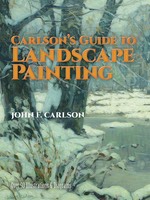
Carlson’s Guide to Landscape Painting
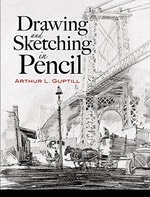
Drawing and Sketching in Pencil

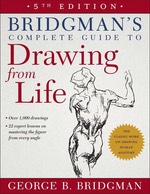
Bridgman’s Complete Guide to Drawing from Life
Charley’s Picks
Amazon
(Amazon.com affiliate links; sales go to a larger yacht for Jeff Bezos; but I get a small percentage to help support my work on Lines and Colors)
Carlson’s Guide to Landscape Painting
Drawing and Sketching in Pencil
Bridgman’s Complete Guide to Drawing from Life