


Categories
- 3d CGI
- Amusements
- Animation
- Anime & Manga
- Art Materials
- Art Videos
- Blogroll
- Cartoons
- Color
- Comics
- Concept & Visual Dev.
- Creativity
- Digital Art
- Digital Painting
- Displaying Art on the Web
- Drawing
- Eye Candy for Today
- Gallery and Museum Art
- High-res Art Images
- Illustration
- Motion Graphics & Flash
- Museums
- Online Museums
- Outsider Art
- Painting
- Painting a Day
- Paleo Art
- Pastel, Conté & Chalk
- Pen & Ink
- Prints and Printmaking
- Reviews
- Sc-fi and Fantasy
- Sculpture & Dimensional
- Site Comments
- Sketching
- Storyboards
- Tools and Techniques
- Uncategorized
- Vector Art
- Videos & Podcasts
- Vision and Optics
- Watercolor and Gouache
- Webcomics
Archives
- September 2026
- August 2026
- July 2026
- June 2026
- May 2026
- April 2026
- March 2026
- February 2026
- January 2026
- December 2025
- November 2025
- October 2025
- September 2025
- August 2025
- July 2025
- June 2025
- May 2025
- January 2025
- December 2024
- November 2024
- October 2024
- September 2024
- August 2024
- June 2024
- April 2024
- March 2024
- February 2024
- January 2024
- December 2023
- November 2023
- October 2023
- September 2023
- August 2023
- July 2023
- May 2023
- April 2023
- March 2023
- February 2023
- January 2023
- December 2022
- November 2022
- September 2022
- August 2022
- July 2022
- June 2022
- May 2022
- April 2022
- March 2022
- February 2022
- January 2022
- December 2021
- November 2021
- October 2021
- September 2021
- August 2021
- July 2021
- June 2021
- May 2021
- April 2021
- March 2021
- February 2021
- January 2021
- December 2020
- November 2020
- October 2020
- September 2020
- August 2020
- July 2020
- June 2020
- May 2020
- April 2020
- March 2020
- February 2020
- January 2020
- December 2019
- November 2019
- October 2019
- September 2019
- August 2019
- July 2019
- June 2019
- May 2019
- April 2019
- March 2019
- February 2019
- January 2019
- December 2018
- November 2018
- October 2018
- September 2018
- August 2018
- July 2018
- June 2018
- May 2018
- April 2018
- March 2018
- February 2018
- January 2018
- December 2017
- November 2017
- October 2017
- September 2017
- August 2017
- July 2017
- June 2017
- May 2017
- April 2017
- March 2017
- February 2017
- January 2017
- December 2016
- November 2016
- October 2016
- September 2016
- August 2016
- July 2016
- June 2016
- May 2016
- April 2016
- March 2016
- February 2016
- January 2016
- December 2015
- November 2015
- October 2015
- September 2015
- August 2015
- July 2015
- June 2015
- May 2015
- April 2015
- March 2015
- February 2015
- January 2015
- December 2014
- November 2014
- October 2014
- September 2014
- August 2014
- July 2014
- June 2014
- May 2014
- April 2014
- March 2014
- February 2014
- January 2014
- December 2013
- November 2013
- October 2013
- September 2013
- August 2013
- July 2013
- June 2013
- May 2013
- April 2013
- March 2013
- February 2013
- January 2013
- December 2012
- November 2012
- October 2012
- September 2012
- August 2012
- July 2012
- June 2012
- May 2012
- April 2012
- March 2012
- February 2012
- January 2012
- December 2011
- November 2011
- October 2011
- September 2011
- August 2011
- July 2011
- June 2011
- May 2011
- April 2011
- March 2011
- February 2011
- January 2011
- December 2010
- November 2010
- October 2010
- September 2010
- August 2010
- July 2010
- June 2010
- May 2010
- April 2010
- March 2010
- February 2010
- January 2010
- December 2009
- November 2009
- October 2009
- September 2009
- August 2009
- July 2009
- June 2009
- May 2009
- April 2009
- March 2009
- February 2009
- January 2009
- December 2008
- November 2008
- October 2008
- September 2008
- August 2008
- July 2008
- June 2008
- May 2008
- April 2008
- March 2008
- February 2008
- January 2008
- December 2007
- November 2007
- October 2007
- September 2007
- August 2007
- July 2007
- June 2007
- May 2007
- April 2007
- March 2007
- February 2007
- January 2007
- December 2006
- November 2006
- October 2006
- September 2006
- August 2006
- July 2006
- June 2006
- May 2006
- April 2006
- March 2006
- February 2006
- January 2006
- December 2005
- November 2005
- October 2005
- September 2005
- August 2005
Relevant Blogs
Art, Painting & Sketch
- Gurney Journey
- Underpaintings
- Art and Influence
- Painting Perceptions
- Oil Painters of America
- Vasari Paint POV
- Flying Fox
- Urban Sketchers
- Bento (Smithsonian)
- Art Inconnu
- The Hidden Place
- Still Life
- Making a Mark
- The Art of the Landscape
- Exploring Color & Creativity
- Art Contrarian
- Artist A Day
- beinArt Surreal Art Collective
- Eye Level
- David Dunlop
- p.i.g.m.e.n.t.i.u.m
- CultureGrrl
- Joaquín Sorolla blog
- Artists in Pastel
“Painting a Day”
- A Painting a Day (Keiser)
- On Painting (Keiser)
- Julian Merrow-Smith
- Karen Jurick
- Jeffrey Hayes
- Carol Marine
- Abbey Ryan
- Daily Paintworks
Other Painting Blogs
- Virtual Gouache Land
- Neil Hollingsworth
- Marc Hanson
- Kevin Menck
- Marc Dalessio
- Larry Seiler
- Stapleton Kearns
- Colin Page
- Roos Schuring
- Hans Versfelt
- Titus Meeuws
- Régis Pettinari
- René Plein Air
- Belinda Del Pesco
- Robin Weiss
- Nathan Fowkes (Land Sketch)
- William Wray
- Frank Serrano
- Stephen Magsig
- Michael Chesley Johnson
- Twice a Week
- Sarah Wimperis
- Rob Adams
- Michael Cole Manley
- The Dirty Palette Club
- Mike Manley’s Draw!
Gallery Art & Illustration mix
Illustration
- Howard Pyle
- 100 Years of Illustration
- BibliOdyssey
- Illustration Art
- Today’s Inspiration
- Illustration Mundo
- Little Chimp Society
- Danny Gregory
- R D (John Martz
- Illustration Friday blog
- Monster Brains
- Illustrators & Illustrations (RU)
- Elwood H. Smith
- DaniDraws.com
- Designers Who Blog
- iSpot Blog
Sci-Fi & Fantasy
Illustration & Comics
Comics & Cartoons
- Comics Beat
- Robot 6
- Newsarama Blog
- Comic Vine
- Comics Alliance
- Forbidden Planet Int.
- Paolo Rivera
- Bolt City
- Flight
- Scott McCloud
- The Comics Journal
- Comixpedia
- Funnybook Babylon
- James Baker
- Middleton’s Sketchbook
- Boneville
- The Hotel Fred
- Paul Rivoche
- Daily Cartoonist
- Mad About Cartoons (William Wray)
- Digital Strips
Illustration & Concept
Animation & Concept
- Cartoon Brew
- Animation Blog
- Cold Hard Flash
- Concept Art World
- The CAB
- FY Concept Art
- Concept Ships
- Concept Robots
- John Nevarez
- Armand Serrano
- Marcos Mateu-Mestre
- all kinds of stuff (Kricfalusi)
- Yacin the faun (Man Arenas)
- Kelsey Mann
- Cre8tivemarks Blog
- Ice-Cream Monster Toon Cafe
- AAU Character & Creature Design
- AAU Animation Notes
- Articles and Texticles
Paleo & Scientific
Tools & Techniques
Other
Lists of Art Blogs
Art Image Resource Links
Historic Art Images
- Wikimedia Commons: Paintings
- Wikimedia Commons: Drawings
- The Athenaeum
- WikiArt (WikiPaintings)
- Google Art Project: Artists
- Google Art Project: Collections (Museums)
- ArtCyclopedia
- Web Gallery of Art
- Art Renewal Center
- Web Gallery of Impressionism
Auction Consolidation sites
Auction sites
- Sotheby’s
- Bonham’s
- Christies
- Heritage Auctions: Fine Art
- Heritage Auctions: Illustration
- Freeman’s Auctions
- Bukowskis
- Shannon’s
Image Search
Reverse Image Search (search by image)
- Tin Eye
- RevImg
- Google Image Search (camera icon)
- Bing Image Search (camera icon)
Promoting some friends and some clients of my website design business
- Twin Willows T’ai Chi studio in Wilmington DE. Taiji classes with Bryan Davis.
- Ray Hayward, Inspired Teacher of T’ai Chi ( Taiji ) in Minneapolis, Founder of Mindful Motion Tai Chi Academy
- OldHead Tattoo studio and Art Gallery in Wilmington DE. Tattoos and paintings by Bruce Gulick
- Sharon Domenico Art, pet portrait oil paintings
- Platinum Paperhanging, wallpaper hanging, Main Line and Philadelphia, PA
- Lisa Stone Design, interior designer, Main Line and Philadelphia, PA
- Studio12KPT, original art, prints, calendars and other custom printed items by Van Sickle & Rolleri
-
Eye Candy for Today: Bruegel pen and ink landscape

Landscape with the Penitence of Saint Jerome, Pieter Bruegel the ElderIn the National Gallery of Art, D.C, with zoomable version (also downloadable if you create a free account). There is an additional zoomable image on the Google Art Project and a smaller downloadable version on Wikimedia Commons.
The nominal penitent saint is probably the least interesting part of this beautiful and sweeping landscape, rendered with remarkable delicacy in pen and brown ink by the 16th century Flemish master.
I had the pleasure of seeing this —and a number of other Bruegel landscape drawings — several years ago at a show at the National Gallery, and they just knocked me out.
I particularly love Bruegel’s lively and economical shorthand expression of distant trees and foliage, which on closer examination looks less casual, and more like every stroke was lovingly placed. The former is of course more likely, but his confident mastery creates an appearance of care and precision.
In their simplicity, his renderings of the trees also carry for me a feeling of Chinese ink painting, as does the relative scale of the figures to the composition.
The actual influences, however, are Italian — Bruegel’s approach to drawing and painting landscape changed after he spent time copying from Venetian Renaissance masters like Titian and Domenico Campagnola during a trip to Italy in the mid 1500s.
Categories:
-
Distance

Distance is a short (3 minute) animated film by students from the Gobelins school in Paris.It portrays a psychological mini-drama of fear within the mind of an introverted high school girl as she tries to traverse the distance between her hall locker and that of a boy she likes.
Please see the page on Vimeo for the animation’s group credits.
Categories:
-
Eye Candy for Today: Watanabe Seitei ink painting

Birds of a Flowering Branch, Watanabe SeiteiIn the collection of the Metropolitan Museum of Art. Use zoom or download icons below the image.
Roughly 14×11 inches (36x27cm), ink and color on silk. The listing doesn’t say what kind of “color”. The white flowers look to me like opaque watercolor, but I don’t know.
The museum lists the piece as an album leaf, and there are links to similar works by the same artist at the bottom of the page.
Categories:
-
Ali Cavanaugh

In a process similar to traditional fresco-secco — a method of painting with water based paints on a dry plaster surface that has been moistened — St. Louis based painter Ali Cavanaugh works by applying layers of watercolor to a prepared clay ground that has been wet.The resulting images have been described as luminous and translucent, a character that unfortunately would be difficult to convey in photographs. Fortunately, her website often features detail crops of works, some of which are fairly large in scale, giving at least some idea of the textural character of her surface.
Cavanaugh varies her approach, from refined and precise to more loosely pulled from free washes, as though distilled out of the running wet paint.
Her subjects are figures and portraits, arranged in thematic groupings, some with light or dark backgrounds. A theme of figures with hands and arms interlocked in complex positions is contrasted with another with hands in socks, the latter submerging the complex form within a more general mass, that is in turn covered in a complex pattern. At times the socks are translucent enough to allow silhouettes of the fingers.
Cavanaugh seems to relish the challenges and the exploration of variations within her themes.
Note that the selections of paintings by theme on her website are accessed from a drop-down menu, and there is a separate section of “portraits” . There is also a brief description of her process. There are additional details about her process in her profile on the Ampersand site, makers of the clay-coated board on which she works, and a bit in this short film about the artist by Alvaro Aro.
Cavanaugh’s series “Immerse” (images above, top five) will be the subject of a solo show at the Gold Gallery in Boston from September 8 to October 18, 2015, with an artist’s reception on September 18, 2015.
Categories:
-
Pronk Still Life with Holbein Bowl, Nautilus Cup, Glass Goblet and Fruit Dish

Pronk Still Life with Holbein Bowl, Nautilus Cup, Glass Goblet and Fruit Dish, Willem KalfLink is to zoomable version on Google Art Project, downloadable high-res file on Wikimedia Commons; original is in the Statens Museum for Kunst, National Gallery of Denmark, which also has a high-res downloadable file.
“Pronk” still life means “splendid”, or fancy, and 17th century master Willem Kalf has arranged this one with an array of rare and highly expensive objects, including the “Holbein Bowl” owned by Henry VII.
There is a point at which it’s obvious that an artist is just plain showing off, but when you can paint like this, who can blame you?
Categories:
-
Ben Lo

Originally from Toronto and now based in Montreal, concept artist Ben Lo has credits that include Bioshock Infinite and a Need for Speed title. He is currently working for Bioware on a new Mass Effect title.Lo’s digital painting style ranges from quick and efficient to refined and subtle, with much attention given to variations in texture. His drawing style can be straightforward or lively and cartoony. His environments are often filled with a dazzling display of light sources and theatrical value contrasts.
There is a brief interview with Lo on Alternative Magazine Online.
Categories:



Charley’s Picks
Bookshop.org
(Bookshop.org affilliate links; sales benefit independent bookshop owners; I get a small percentage to help support my work on Lines and Colors)
Carlson’s Guide to Landscape Painting
Drawing and Sketching in Pencil
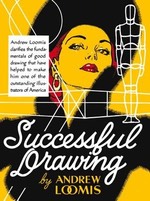
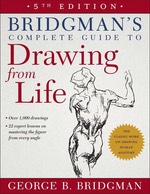
Bridgman’s Complete Guide to Drawing from Life
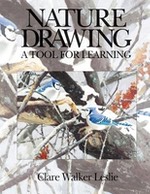
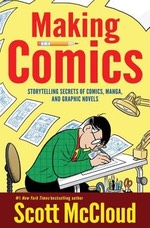


Charley’s Picks
Amazon
(Amazon.com affiliate links; sales go to a larger yacht for Jeff Bezos; but I get a small percentage to help support my work on Lines and Colors)
Carlson’s Guide to Landscape Painting
Drawing and Sketching in Pencil
Bridgman’s Complete Guide to Drawing from Life