


Categories
- 3d CGI
- Amusements
- Animation
- Anime & Manga
- Art Materials
- Art Videos
- Blogroll
- Cartoons
- Color
- Comics
- Concept & Visual Dev.
- Creativity
- Digital Art
- Digital Painting
- Displaying Art on the Web
- Drawing
- Eye Candy for Today
- Gallery and Museum Art
- High-res Art Images
- Illustration
- Motion Graphics & Flash
- Museums
- Online Museums
- Outsider Art
- Painting
- Painting a Day
- Paleo Art
- Pastel, Conté & Chalk
- Pen & Ink
- Prints and Printmaking
- Reviews
- Sc-fi and Fantasy
- Sculpture & Dimensional
- Site Comments
- Sketching
- Storyboards
- Tools and Techniques
- Uncategorized
- Vector Art
- Videos & Podcasts
- Vision and Optics
- Watercolor and Gouache
- Webcomics
Archives
- August 2026
- July 2026
- June 2026
- May 2026
- April 2026
- March 2026
- February 2026
- January 2026
- December 2025
- November 2025
- October 2025
- September 2025
- August 2025
- July 2025
- June 2025
- May 2025
- January 2025
- December 2024
- November 2024
- October 2024
- September 2024
- August 2024
- June 2024
- April 2024
- March 2024
- February 2024
- January 2024
- December 2023
- November 2023
- October 2023
- September 2023
- August 2023
- July 2023
- May 2023
- April 2023
- March 2023
- February 2023
- January 2023
- December 2022
- November 2022
- September 2022
- August 2022
- July 2022
- June 2022
- May 2022
- April 2022
- March 2022
- February 2022
- January 2022
- December 2021
- November 2021
- October 2021
- September 2021
- August 2021
- July 2021
- June 2021
- May 2021
- April 2021
- March 2021
- February 2021
- January 2021
- December 2020
- November 2020
- October 2020
- September 2020
- August 2020
- July 2020
- June 2020
- May 2020
- April 2020
- March 2020
- February 2020
- January 2020
- December 2019
- November 2019
- October 2019
- September 2019
- August 2019
- July 2019
- June 2019
- May 2019
- April 2019
- March 2019
- February 2019
- January 2019
- December 2018
- November 2018
- October 2018
- September 2018
- August 2018
- July 2018
- June 2018
- May 2018
- April 2018
- March 2018
- February 2018
- January 2018
- December 2017
- November 2017
- October 2017
- September 2017
- August 2017
- July 2017
- June 2017
- May 2017
- April 2017
- March 2017
- February 2017
- January 2017
- December 2016
- November 2016
- October 2016
- September 2016
- August 2016
- July 2016
- June 2016
- May 2016
- April 2016
- March 2016
- February 2016
- January 2016
- December 2015
- November 2015
- October 2015
- September 2015
- August 2015
- July 2015
- June 2015
- May 2015
- April 2015
- March 2015
- February 2015
- January 2015
- December 2014
- November 2014
- October 2014
- September 2014
- August 2014
- July 2014
- June 2014
- May 2014
- April 2014
- March 2014
- February 2014
- January 2014
- December 2013
- November 2013
- October 2013
- September 2013
- August 2013
- July 2013
- June 2013
- May 2013
- April 2013
- March 2013
- February 2013
- January 2013
- December 2012
- November 2012
- October 2012
- September 2012
- August 2012
- July 2012
- June 2012
- May 2012
- April 2012
- March 2012
- February 2012
- January 2012
- December 2011
- November 2011
- October 2011
- September 2011
- August 2011
- July 2011
- June 2011
- May 2011
- April 2011
- March 2011
- February 2011
- January 2011
- December 2010
- November 2010
- October 2010
- September 2010
- August 2010
- July 2010
- June 2010
- May 2010
- April 2010
- March 2010
- February 2010
- January 2010
- December 2009
- November 2009
- October 2009
- September 2009
- August 2009
- July 2009
- June 2009
- May 2009
- April 2009
- March 2009
- February 2009
- January 2009
- December 2008
- November 2008
- October 2008
- September 2008
- August 2008
- July 2008
- June 2008
- May 2008
- April 2008
- March 2008
- February 2008
- January 2008
- December 2007
- November 2007
- October 2007
- September 2007
- August 2007
- July 2007
- June 2007
- May 2007
- April 2007
- March 2007
- February 2007
- January 2007
- December 2006
- November 2006
- October 2006
- September 2006
- August 2006
- July 2006
- June 2006
- May 2006
- April 2006
- March 2006
- February 2006
- January 2006
- December 2005
- November 2005
- October 2005
- September 2005
- August 2005
Relevant Blogs
Art, Painting & Sketch
- Gurney Journey
- Underpaintings
- Art and Influence
- Painting Perceptions
- Oil Painters of America
- Vasari Paint POV
- Flying Fox
- Urban Sketchers
- Bento (Smithsonian)
- Art Inconnu
- The Hidden Place
- Still Life
- Making a Mark
- The Art of the Landscape
- Exploring Color & Creativity
- Art Contrarian
- Artist A Day
- beinArt Surreal Art Collective
- Eye Level
- David Dunlop
- p.i.g.m.e.n.t.i.u.m
- CultureGrrl
- Joaquín Sorolla blog
- Artists in Pastel
“Painting a Day”
- A Painting a Day (Keiser)
- On Painting (Keiser)
- Julian Merrow-Smith
- Karen Jurick
- Jeffrey Hayes
- Carol Marine
- Abbey Ryan
- Daily Paintworks
Other Painting Blogs
- Virtual Gouache Land
- Neil Hollingsworth
- Marc Hanson
- Kevin Menck
- Marc Dalessio
- Larry Seiler
- Stapleton Kearns
- Colin Page
- Roos Schuring
- Hans Versfelt
- Titus Meeuws
- Régis Pettinari
- René Plein Air
- Belinda Del Pesco
- Robin Weiss
- Nathan Fowkes (Land Sketch)
- William Wray
- Frank Serrano
- Stephen Magsig
- Michael Chesley Johnson
- Twice a Week
- Sarah Wimperis
- Rob Adams
- Michael Cole Manley
- The Dirty Palette Club
- Mike Manley’s Draw!
Gallery Art & Illustration mix
Illustration
- Howard Pyle
- 100 Years of Illustration
- BibliOdyssey
- Illustration Art
- Today’s Inspiration
- Illustration Mundo
- Little Chimp Society
- Danny Gregory
- R D (John Martz
- Illustration Friday blog
- Monster Brains
- Illustrators & Illustrations (RU)
- Elwood H. Smith
- DaniDraws.com
- Designers Who Blog
- iSpot Blog
Sci-Fi & Fantasy
Illustration & Comics
Comics & Cartoons
- Comics Beat
- Robot 6
- Newsarama Blog
- Comic Vine
- Comics Alliance
- Forbidden Planet Int.
- Paolo Rivera
- Bolt City
- Flight
- Scott McCloud
- The Comics Journal
- Comixpedia
- Funnybook Babylon
- James Baker
- Middleton’s Sketchbook
- Boneville
- The Hotel Fred
- Paul Rivoche
- Daily Cartoonist
- Mad About Cartoons (William Wray)
- Digital Strips
Illustration & Concept
Animation & Concept
- Cartoon Brew
- Animation Blog
- Cold Hard Flash
- Concept Art World
- The CAB
- FY Concept Art
- Concept Ships
- Concept Robots
- John Nevarez
- Armand Serrano
- Marcos Mateu-Mestre
- all kinds of stuff (Kricfalusi)
- Yacin the faun (Man Arenas)
- Kelsey Mann
- Cre8tivemarks Blog
- Ice-Cream Monster Toon Cafe
- AAU Character & Creature Design
- AAU Animation Notes
- Articles and Texticles
Paleo & Scientific
Tools & Techniques
Other
Lists of Art Blogs
Art Image Resource Links
Historic Art Images
- Wikimedia Commons: Paintings
- Wikimedia Commons: Drawings
- The Athenaeum
- WikiArt (WikiPaintings)
- Google Art Project: Artists
- Google Art Project: Collections (Museums)
- ArtCyclopedia
- Web Gallery of Art
- Art Renewal Center
- Web Gallery of Impressionism
Auction Consolidation sites
Auction sites
- Sotheby’s
- Bonham’s
- Christies
- Heritage Auctions: Fine Art
- Heritage Auctions: Illustration
- Freeman’s Auctions
- Bukowskis
- Shannon’s
Image Search
Reverse Image Search (search by image)
- Tin Eye
- RevImg
- Google Image Search (camera icon)
- Bing Image Search (camera icon)
Promoting some friends and some clients of my website design business
- Twin Willows T’ai Chi studio in Wilmington DE. Taiji classes with Bryan Davis.
- Ray Hayward, Inspired Teacher of T’ai Chi ( Taiji ) in Minneapolis, Founder of Mindful Motion Tai Chi Academy
- OldHead Tattoo studio and Art Gallery in Wilmington DE. Tattoos and paintings by Bruce Gulick
- Sharon Domenico Art, pet portrait oil paintings
- Platinum Paperhanging, wallpaper hanging, Main Line and Philadelphia, PA
- Lisa Stone Design, interior designer, Main Line and Philadelphia, PA
- Studio12KPT, original art, prints, calendars and other custom printed items by Van Sickle & Rolleri
-
Donald Jurney

Looking at the work of painter Donald Jurney puts me in mind of a number of English, French, Dutch and American landscape painters who were at their peak in the years just prior to the advent of French Impressionism.His pastoral countrysides and sweeping mountain views are often framed in intriguing plays of light and dark; large areas of shadow lie across the land, punctuated and accented by glimmers of light against mountains or between crowns of trees.
In the limited size of the images on Jurney’s web site and the sites of galleries representing his work, you can only get a vague idea of the texture of the paint strokes in his approach. Fortunately, there is at least one close up of his work, and another slightly smaller close up image on the blog of Quidley & Company galleries that allow you to see his richly textural paint surface.
Jurney uses a carefully controlled, muted palette, with subtle variations in color accompanied by strong value contrasts.
His paintings carry a wonderful sense of place, but simultaneously suggest a feeling of timelessness, as if carrying the traditions of several centuries of landscape painters forward in an unbroken line.
[Via Lia Waichulis and The Hidden Place]
Categories:
-
From Impressionism to Modernism: The Chester Dale Collection

American art collector Chester Dale, who had a passion for late 19th and early 20th Century Avant Garde painting (a phrase that, of course, refers to different artists at different times) left a bequest to the National Gallery of Art in Washington, DC that includes 85 works from French and American artists.The museum has mounted an exhibition of highlights from the collection, From Impressionism to Modernism: The Chester Dale Collection, that features outstanding works by Corot, Van Gogh, Picasso, Leger, Matiesse, Renoir, Cassatt, Manet, Toulouse-Lautrec and and many others.
Dale served on the board of the National Gallery from 1943 on, and was president until his death in 1962. He was a well known collector while many of these artists were active, and the exhibition includes portraits of him by Salvador Dalí and Diego Rivera, as well as portraits of his wife, Maud, by George Bellows and Fernand Léger.
I haven’t see this show yet, but I’ve seen many of the pieces listed as part of the permanent collection over the years, and it should be a very strong show, even if your interest, like mine, is more focused on one end of the collection’s time frame.
The National Gallery, if you haven’t had the pleasure of visiting, is one of the best art museums in the U.S.; and one of the highlights of Washington’s cornucopia of cultural treasures (almost all of which have free admission, see my post on The National Portrait Gallery).
To my mind, the exhibition would be worth the visit just for William Merritt Chase’s beautiful A Friendly Call (image above, top).
There is a slideshow of highlights on the museum’s site, along with a PDF version of the exhibition brochure (PDF link).
From Impressionism to Modernism: The Chester Dale Collection is on display until July 31, 2011.
(Images above: William Merritt Chase, Henri Fantin-Latour, Claude Monet, Edgar Degas, Amedeo Modigliani, Eugéne Boudin)
Categories:
-
Rudy Gutierrez
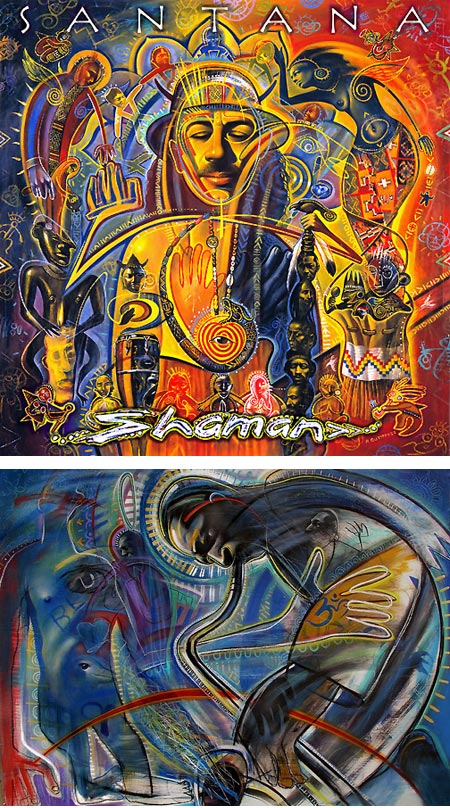
Illustrator Rudy Gutierrez began his professional career while still a student at Pratt Institute. In addition to his freelance career, Gutierrez now teaches illustration and is the Illustration Coordinator at Pratt. He was awarded the Distinguished Educator in the Arts award for 2005 from The Society of Illustrators.His clients include The New York Times, Rolling Stone, Playboy, HarperCollins, Viking/Penguin and several recording companies, including Verve Records and Arista Records. One of his most widely recognized images is his CD cover for Santana’s 2002 release Shaman.
Gutierrez has had the opportunity to do illustrations of a number of musicians and other well known figures.
His illustration style is a bright burst of orchestrated chaos — swirling patterns, rough marks and scribble-like lines surround and flow in and out of rendered representational images. Faces and figures appear and disappear within the compositions, which are often complex, but never lack focus or definition.
His visual elements show influences of op art, cubism, expressionism, urban grafitti, distorsions from African masks, patterns from other ancient cultures, and the free lines of children’s crayon drawings. Into this mix he stirs realistic rendering, bright colors and a variety of textures.
Gutierrez’ own web site is under construction, and points interested parties to his portfolios on Altpick, Richard Solomon and Pratt Talent. You can also find a gallery of his work on The iSpot.
He occasionally does murals and large scale work, and is part of Richard Solomon’s Art On a Grand Scale slate of illustrators.
Categories:
-
Ken Auster
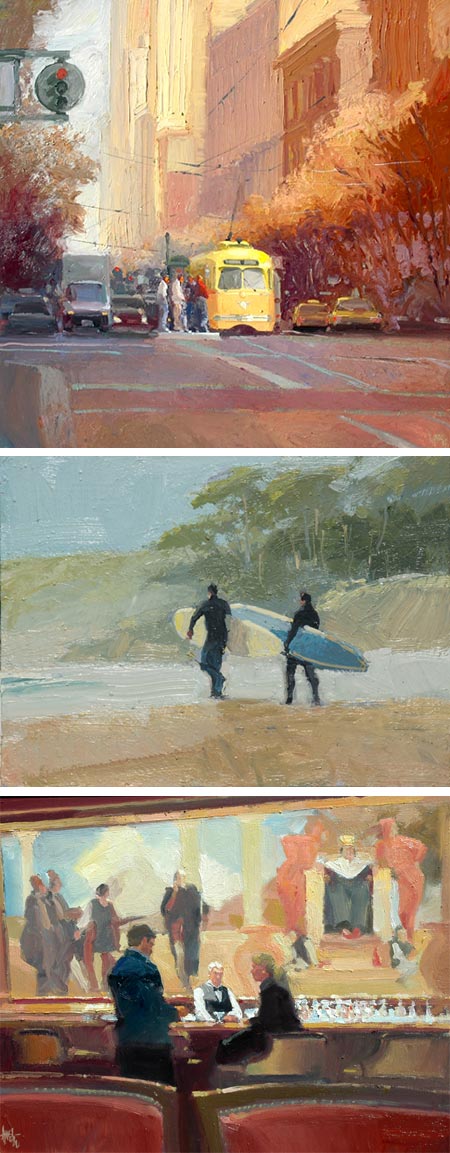
California artist Ken Auster studied for his BFA at Long Beach State University in the midst of the 1960’s surfing craze, and applied his talents to successful lines of silkscreen prints and T-shirt designs that became icons of surfer culture.In the 1990’s Auster moved into plein air painting, capturing immediate scenes in a painterly realist manner, but maintaining a strong graphic sensibility from his previous experience. The result is painterly evocations of cityscapes, landscapes, interiors and, of course, beach scenes, that have an uncommon graphic and geometric strength.
Auster pushes up against the line of “just enough” to suggest his scenes and convey the light, color and textures of the place and time. He fills his geometric shapes with lush, textural brushwork, wonderful squiggles and blobs of thick paint that make their own drama within the larger image.
His interiors are often of restaurants and bars, finding patterns in walls lined with wine bottlers and glasses, visual texture in the kitchens, and value contrasts in the white shirts and dark vests of servers.
Some of his paintings include scenes in restaurants or bars that have noted works or art on the walls, like several of the paintings currently in the New Masters Gallery that show patrons in front of the Old King Cole mural by Maxfield Parrish in the St. Regis Hotel Bar in Manhattan (image above, bottom; see here for a closer view of the Parrish mural).
I particularly like Auster’s cityscapes, in which he reduces urban complexity to geometric simplicity with apparent ease, finding just the right level of suggested detail to carry the impression of place.
Auster’s own web site, though it features a variety of his work and subjects, suffers from images that are inexplicably small; so much as to be almost pointless, and certainly not large enough to get any appreciation for the textural qualities of his paint surface.
Fortunately, he fares better in the reproductions on the sites of galleries in which he is represented, New Masters Gallery and Jones & Terwilliger Galleries. There are also sources for reproductions of his work, though I haven’t listed them here.
Auster conducts painting workshops in various parts of the country. There are some time-lapse videos of Auster painting, both on his site and on YouTube.
Categories:
-
Alexa Meade

When is a painting not a painting?Mixed media artist Alexa Meade presents that question in images that look like somewhat painterly expressionist/realist paintings but are in reality painted objects, including people.
For her living paintings series Meade applies acrylic paint to the surfaces of objects and walls in way that mimics the appearance of brushwork in a painting, so that the scene, when viewed in a two dimensional photograph, appears to be an oil painting.
The effect is convincing, so much so that it’s difficult to tell until you see an accompanying photograph that shows the scene out of context. In the Portfolio on Meade’s site, the images that pop up when you click on the initial image are usually part of a series, in which the last image is often the one that reveals the “reality” of the scene.
Meade posts her most recent works to a Flickr set.
[Suggestion courtesy of Mark Miller]
Categories:
-
The Realist – Asaf Hanuka

The Realist is a graphic story by illustrator and comics artist Asaf Hanuka about one family’s search for a new home after their current living arrangements are upset.The strip was originally serialized in a Hebrew language version in the Israeli Newspaper Calcalist. Hanuka has re-lettered it in English and is publishing it on the web, one page a week.
English speakers may find it interesting to compare some of the English language pages with their Hebrew counterparts in that the Hebrew pages read right-to-left, creating some challenges for the conventions used by comics artists to guide your eye through dialog balloons in the proper order by their position in a panel.
It looks as though Hanuka may have had this process in mind when originally laying out his panels as they work pretty well, with a few exceptions (like a reference to a GPS telling characters to turn right, when the flopped image shows an arrow pointing left).
Hanuka has a spare, single line weight comics art style that is well suited to the nature of the story. His controlled, muted coloring is accented occasionally with brighter colors specifically for dramatic effect.
As of this writing, the posted story is up to week 6.
Hanuka also maintains a more general topic blog, Tropical Toxic, and has a web site with galleries of his illustration and comics work.
I previously wrote about Asaf Hanuka, and his brother Tomer Hanuka, also a noted comics artist and illustrator, back in 2007.
[Via Drawn!]
Categories:



Charley’s Picks
Bookshop.org
(Bookshop.org affilliate links; sales benefit independent bookshop owners; I get a small percentage to help support my work on Lines and Colors)
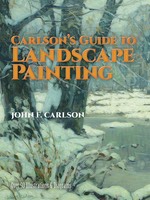
Carlson’s Guide to Landscape Painting
Drawing and Sketching in Pencil


Bridgman’s Complete Guide to Drawing from Life


Charley’s Picks
Amazon
(Amazon.com affiliate links; sales go to a larger yacht for Jeff Bezos; but I get a small percentage to help support my work on Lines and Colors)
Carlson’s Guide to Landscape Painting
Drawing and Sketching in Pencil
Bridgman’s Complete Guide to Drawing from Life