


Categories
- 3d CGI
- Amusements
- Animation
- Anime & Manga
- Art Materials
- Art Videos
- Blogroll
- Cartoons
- Color
- Comics
- Concept & Visual Dev.
- Creativity
- Digital Art
- Digital Painting
- Displaying Art on the Web
- Drawing
- Eye Candy for Today
- Gallery and Museum Art
- High-res Art Images
- Illustration
- Motion Graphics & Flash
- Museums
- Online Museums
- Outsider Art
- Painting
- Painting a Day
- Paleo Art
- Pastel, Conté & Chalk
- Pen & Ink
- Prints and Printmaking
- Reviews
- Sc-fi and Fantasy
- Sculpture & Dimensional
- Site Comments
- Sketching
- Storyboards
- Tools and Techniques
- Uncategorized
- Vector Art
- Videos & Podcasts
- Vision and Optics
- Watercolor and Gouache
- Webcomics
Archives
- October 2026
- September 2026
- August 2026
- July 2026
- June 2026
- May 2026
- April 2026
- March 2026
- February 2026
- January 2026
- December 2025
- November 2025
- October 2025
- September 2025
- August 2025
- July 2025
- June 2025
- May 2025
- January 2025
- December 2024
- November 2024
- October 2024
- September 2024
- August 2024
- June 2024
- April 2024
- March 2024
- February 2024
- January 2024
- December 2023
- November 2023
- October 2023
- September 2023
- August 2023
- July 2023
- May 2023
- April 2023
- March 2023
- February 2023
- January 2023
- December 2022
- November 2022
- September 2022
- August 2022
- July 2022
- June 2022
- May 2022
- April 2022
- March 2022
- February 2022
- January 2022
- December 2021
- November 2021
- October 2021
- September 2021
- August 2021
- July 2021
- June 2021
- May 2021
- April 2021
- March 2021
- February 2021
- January 2021
- December 2020
- November 2020
- October 2020
- September 2020
- August 2020
- July 2020
- June 2020
- May 2020
- April 2020
- March 2020
- February 2020
- January 2020
- December 2019
- November 2019
- October 2019
- September 2019
- August 2019
- July 2019
- June 2019
- May 2019
- April 2019
- March 2019
- February 2019
- January 2019
- December 2018
- November 2018
- October 2018
- September 2018
- August 2018
- July 2018
- June 2018
- May 2018
- April 2018
- March 2018
- February 2018
- January 2018
- December 2017
- November 2017
- October 2017
- September 2017
- August 2017
- July 2017
- June 2017
- May 2017
- April 2017
- March 2017
- February 2017
- January 2017
- December 2016
- November 2016
- October 2016
- September 2016
- August 2016
- July 2016
- June 2016
- May 2016
- April 2016
- March 2016
- February 2016
- January 2016
- December 2015
- November 2015
- October 2015
- September 2015
- August 2015
- July 2015
- June 2015
- May 2015
- April 2015
- March 2015
- February 2015
- January 2015
- December 2014
- November 2014
- October 2014
- September 2014
- August 2014
- July 2014
- June 2014
- May 2014
- April 2014
- March 2014
- February 2014
- January 2014
- December 2013
- November 2013
- October 2013
- September 2013
- August 2013
- July 2013
- June 2013
- May 2013
- April 2013
- March 2013
- February 2013
- January 2013
- December 2012
- November 2012
- October 2012
- September 2012
- August 2012
- July 2012
- June 2012
- May 2012
- April 2012
- March 2012
- February 2012
- January 2012
- December 2011
- November 2011
- October 2011
- September 2011
- August 2011
- July 2011
- June 2011
- May 2011
- April 2011
- March 2011
- February 2011
- January 2011
- December 2010
- November 2010
- October 2010
- September 2010
- August 2010
- July 2010
- June 2010
- May 2010
- April 2010
- March 2010
- February 2010
- January 2010
- December 2009
- November 2009
- October 2009
- September 2009
- August 2009
- July 2009
- June 2009
- May 2009
- April 2009
- March 2009
- February 2009
- January 2009
- December 2008
- November 2008
- October 2008
- September 2008
- August 2008
- July 2008
- June 2008
- May 2008
- April 2008
- March 2008
- February 2008
- January 2008
- December 2007
- November 2007
- October 2007
- September 2007
- August 2007
- July 2007
- June 2007
- May 2007
- April 2007
- March 2007
- February 2007
- January 2007
- December 2006
- November 2006
- October 2006
- September 2006
- August 2006
- July 2006
- June 2006
- May 2006
- April 2006
- March 2006
- February 2006
- January 2006
- December 2005
- November 2005
- October 2005
- September 2005
- August 2005
Relevant Blogs
Art, Painting & Sketch
- Gurney Journey
- Underpaintings
- Art and Influence
- Painting Perceptions
- Oil Painters of America
- Vasari Paint POV
- Flying Fox
- Urban Sketchers
- Bento (Smithsonian)
- Art Inconnu
- The Hidden Place
- Still Life
- Making a Mark
- The Art of the Landscape
- Exploring Color & Creativity
- Art Contrarian
- Artist A Day
- beinArt Surreal Art Collective
- Eye Level
- David Dunlop
- p.i.g.m.e.n.t.i.u.m
- CultureGrrl
- Joaquín Sorolla blog
- Artists in Pastel
“Painting a Day”
- A Painting a Day (Keiser)
- On Painting (Keiser)
- Julian Merrow-Smith
- Karen Jurick
- Jeffrey Hayes
- Carol Marine
- Abbey Ryan
- Daily Paintworks
Other Painting Blogs
- Virtual Gouache Land
- Neil Hollingsworth
- Marc Hanson
- Kevin Menck
- Marc Dalessio
- Larry Seiler
- Stapleton Kearns
- Colin Page
- Roos Schuring
- Hans Versfelt
- Titus Meeuws
- Régis Pettinari
- René Plein Air
- Belinda Del Pesco
- Robin Weiss
- Nathan Fowkes (Land Sketch)
- William Wray
- Frank Serrano
- Stephen Magsig
- Michael Chesley Johnson
- Twice a Week
- Sarah Wimperis
- Rob Adams
- Michael Cole Manley
- The Dirty Palette Club
- Mike Manley’s Draw!
Gallery Art & Illustration mix
Illustration
- Howard Pyle
- 100 Years of Illustration
- BibliOdyssey
- Illustration Art
- Today’s Inspiration
- Illustration Mundo
- Little Chimp Society
- Danny Gregory
- R D (John Martz
- Illustration Friday blog
- Monster Brains
- Illustrators & Illustrations (RU)
- Elwood H. Smith
- DaniDraws.com
- Designers Who Blog
- iSpot Blog
Sci-Fi & Fantasy
Illustration & Comics
Comics & Cartoons
- Comics Beat
- Robot 6
- Newsarama Blog
- Comic Vine
- Comics Alliance
- Forbidden Planet Int.
- Paolo Rivera
- Bolt City
- Flight
- Scott McCloud
- The Comics Journal
- Comixpedia
- Funnybook Babylon
- James Baker
- Middleton’s Sketchbook
- Boneville
- The Hotel Fred
- Paul Rivoche
- Daily Cartoonist
- Mad About Cartoons (William Wray)
- Digital Strips
Illustration & Concept
Animation & Concept
- Cartoon Brew
- Animation Blog
- Cold Hard Flash
- Concept Art World
- The CAB
- FY Concept Art
- Concept Ships
- Concept Robots
- John Nevarez
- Armand Serrano
- Marcos Mateu-Mestre
- all kinds of stuff (Kricfalusi)
- Yacin the faun (Man Arenas)
- Kelsey Mann
- Cre8tivemarks Blog
- Ice-Cream Monster Toon Cafe
- AAU Character & Creature Design
- AAU Animation Notes
- Articles and Texticles
Paleo & Scientific
Tools & Techniques
Other
Lists of Art Blogs
Art Image Resource Links
Historic Art Images
- Wikimedia Commons: Paintings
- Wikimedia Commons: Drawings
- The Athenaeum
- WikiArt (WikiPaintings)
- Google Art Project: Artists
- Google Art Project: Collections (Museums)
- ArtCyclopedia
- Web Gallery of Art
- Art Renewal Center
- Web Gallery of Impressionism
Auction Consolidation sites
Auction sites
- Sotheby’s
- Bonham’s
- Christies
- Heritage Auctions: Fine Art
- Heritage Auctions: Illustration
- Freeman’s Auctions
- Bukowskis
- Shannon’s
Image Search
Reverse Image Search (search by image)
- Tin Eye
- RevImg
- Google Image Search (camera icon)
- Bing Image Search (camera icon)
Promoting some friends and some clients of my website design business
- Twin Willows T’ai Chi studio in Wilmington DE. Taiji classes with Bryan Davis.
- Ray Hayward, Inspired Teacher of T’ai Chi ( Taiji ) in Minneapolis, Founder of Mindful Motion Tai Chi Academy
- OldHead Tattoo studio and Art Gallery in Wilmington DE. Tattoos and paintings by Bruce Gulick
- Sharon Domenico Art, pet portrait oil paintings
- Platinum Paperhanging, wallpaper hanging, Main Line and Philadelphia, PA
- Lisa Stone Design, interior designer, Main Line and Philadelphia, PA
- Studio12KPT, original art, prints, calendars and other custom printed items by Van Sickle & Rolleri
-
James Gurney’s Living Sketchbook, Volume 3 – Court Report


When I first met author and artist James Gurney some years ago, I had the opportunity to leaf through one of his sketchbooks. Gurney is so accomplished that his sketchbooks often consist of page after page of beautifully realized paintings and sketches, usually in gouache or casein. My immediate thought was that he should publish them in some form, if only because I would personally like the opportunity to look through them at leisure.
I didn’t say anything at the time, but some years later, in 2017, Gurney began to do just that, publishing a few selected sketchbooks — not as a printed book or PDF file, as I might have envisioned — but as a concept he calls a “Living Sketchbook”. These are smartphone/tablet apps, developed in coordination with his son, Dan Gurney.
The Living Sketchbook apps not only allow you to flip through the sketchbook pages, but also to zoom in on the images, click to read comments, hear audio commentary, and in many cases, see short videos of Gurney working on the sketch and discussing his methods and materials. It’s about as close as you can get to sitting down with the artist and leafing through his sketchbooks while he discusses the sketches and shows you some of his techniques.
Gurney gives his actual sketchbooks names, usually based on sketches of a particular subject among those in the sketchbook, and the digital versions follow that model. I reviewed the first of the series, “Boyhood Home” when I received a Beta review copy just before it launched. After the beta expired, I bought my own copy, as well as a copy of the second in the series, “Metro North”.
I was pleased to recently receive a review copy of the third app in the series, “Court Report”, named for a few paintings of basketball players, games and announcers and that Gurney did at the invitation of the NBA. The bulk of the sketchbook, like the other two, ranges through a variety of Gurney’s subjects and approaches to sketching and painting. In this case there are a number of winter landscape scenes, as well as studies of people, houses, diners, animals, cars and other subjects.
One of the things I particularly enjoy about Gurney’s Living Sketchbook apps — in addition to the beautiful reproduction of the art and the depth of the accompanying information — is their portability. It’s like having a little packet of painting inspiration that I can enjoy anytime and anywhere, from waiting for an appointment to taking a break while plein air painting.
“Court Report” and the other two volumes in the series are available in the App Stores for both iOS an Android for $4.99 each.
You can find more information, images and video flip-throughs on Gurney’s blog.
Categories:
-
Eye Candy for Today: Albert Anker still life with Coffee and Potatoes


Stilleben, Kaffee und Kartoffeln (Still life with Coffee and Poratoes), Albert Anker
Link is to Wikimedia Commons page with high-res image.
This domestic still life by 19th century Swiss artist Albert Anker at first looks smoothly refined, but on closer inspection reveals itself to be quite painterly.
Categories:
-
Kenneth Cadwallader
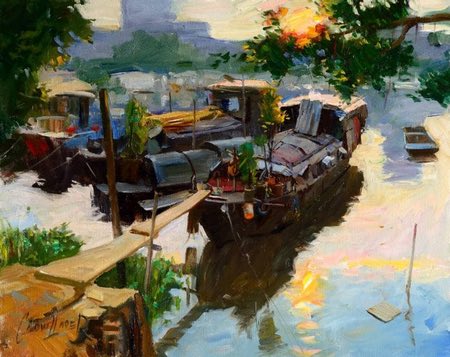

Kenneth Cadwallader is a painter with a fresh, confident approach, and a vibrant use of color.
The galleries on his website are divided into paintings from his travels in China, figures and floral still life.
I particularly admire the strong value contrasts in many of his townscape and still life paintings.
Categories:
-
Eye Candy for Today: Samuel Prout pencil drawing


The Castle at Heidelberg, Samuel Prout
Pencil on paper, roughly 11 x 16″ (28 x 43 cm); in the collection of the Morgan Library and Museum.
19th century artist Samuel Prout give us one of those wonderful drawings that is simultaneously loose and precise, and shows us something of the process of its creation in the more lightly rendered left side of the castle’s facade.
Categories:
-
Fritz Baumgarten


Fritz Baumgarten was a German children’s book illustrator active in the early to mid part of the 20th century.
He illustrated numerous books, primarily in Germany, working in a nicely finessed combination of ink and watercolor.
Baumgarten had a knack for blending the commonplace with the fantastic, putting his elf-like characters and anthropomorphized creatures into scenes of activities that might otherwise seem quite ordinary.
Many of his portrayals of the forest floor are nicely naturalistic.
I haven’t been able to find many sources for his images, but I’ve included links to a few, below. I’ll also provide a link to a Google image search, with the size filter set to “large”, and some books available on Amazon (most appear to be German language editions).
Categories:
-
Eye Candy for Today: Joaquim Vancells, “February”


February, Joaquim Vancells
Oil on canvas, roughly 40 x 60 inches (104 x 155 cm)
Link is to zoomable image on Google Art Project, downloadable version on Wikimedia Commons; original is in the Museu Nacional d’Art de Catalunya.
Catalonian painter Joaquim Vancells invites us into a quiet forest landscape in the heart of winter. I like the way the details of sticks, leaves and undergrowth ground us in the environment, while the meandering path in center invites us farther into the misty depths of the woodland.
Categories:



Charley’s Picks
Bookshop.org
(Bookshop.org affilliate links; sales benefit independent bookshop owners; I get a small percentage to help support my work on Lines and Colors)
Carlson’s Guide to Landscape Painting
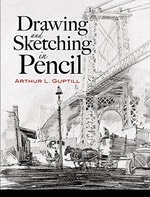
Drawing and Sketching in Pencil
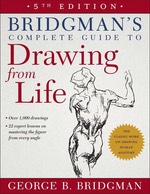
Bridgman’s Complete Guide to Drawing from Life


Charley’s Picks
Amazon
(Amazon.com affiliate links; sales go to a larger yacht for Jeff Bezos; but I get a small percentage to help support my work on Lines and Colors)
Carlson’s Guide to Landscape Painting
Drawing and Sketching in Pencil
Bridgman’s Complete Guide to Drawing from Life