


Categories
- 3d CGI
- Amusements
- Animation
- Anime & Manga
- Art Materials
- Art Videos
- Blogroll
- Cartoons
- Color
- Comics
- Concept & Visual Dev.
- Creativity
- Digital Art
- Digital Painting
- Displaying Art on the Web
- Drawing
- Eye Candy for Today
- Gallery and Museum Art
- High-res Art Images
- Illustration
- Motion Graphics & Flash
- Museums
- Online Museums
- Outsider Art
- Painting
- Painting a Day
- Paleo Art
- Pastel, Conté & Chalk
- Pen & Ink
- Prints and Printmaking
- Reviews
- Sc-fi and Fantasy
- Sculpture & Dimensional
- Site Comments
- Sketching
- Storyboards
- Tools and Techniques
- Uncategorized
- Vector Art
- Videos & Podcasts
- Vision and Optics
- Watercolor and Gouache
- Webcomics
Archives
- September 2026
- August 2026
- July 2026
- June 2026
- May 2026
- April 2026
- March 2026
- February 2026
- January 2026
- December 2025
- November 2025
- October 2025
- September 2025
- August 2025
- July 2025
- June 2025
- May 2025
- January 2025
- December 2024
- November 2024
- October 2024
- September 2024
- August 2024
- June 2024
- April 2024
- March 2024
- February 2024
- January 2024
- December 2023
- November 2023
- October 2023
- September 2023
- August 2023
- July 2023
- May 2023
- April 2023
- March 2023
- February 2023
- January 2023
- December 2022
- November 2022
- September 2022
- August 2022
- July 2022
- June 2022
- May 2022
- April 2022
- March 2022
- February 2022
- January 2022
- December 2021
- November 2021
- October 2021
- September 2021
- August 2021
- July 2021
- June 2021
- May 2021
- April 2021
- March 2021
- February 2021
- January 2021
- December 2020
- November 2020
- October 2020
- September 2020
- August 2020
- July 2020
- June 2020
- May 2020
- April 2020
- March 2020
- February 2020
- January 2020
- December 2019
- November 2019
- October 2019
- September 2019
- August 2019
- July 2019
- June 2019
- May 2019
- April 2019
- March 2019
- February 2019
- January 2019
- December 2018
- November 2018
- October 2018
- September 2018
- August 2018
- July 2018
- June 2018
- May 2018
- April 2018
- March 2018
- February 2018
- January 2018
- December 2017
- November 2017
- October 2017
- September 2017
- August 2017
- July 2017
- June 2017
- May 2017
- April 2017
- March 2017
- February 2017
- January 2017
- December 2016
- November 2016
- October 2016
- September 2016
- August 2016
- July 2016
- June 2016
- May 2016
- April 2016
- March 2016
- February 2016
- January 2016
- December 2015
- November 2015
- October 2015
- September 2015
- August 2015
- July 2015
- June 2015
- May 2015
- April 2015
- March 2015
- February 2015
- January 2015
- December 2014
- November 2014
- October 2014
- September 2014
- August 2014
- July 2014
- June 2014
- May 2014
- April 2014
- March 2014
- February 2014
- January 2014
- December 2013
- November 2013
- October 2013
- September 2013
- August 2013
- July 2013
- June 2013
- May 2013
- April 2013
- March 2013
- February 2013
- January 2013
- December 2012
- November 2012
- October 2012
- September 2012
- August 2012
- July 2012
- June 2012
- May 2012
- April 2012
- March 2012
- February 2012
- January 2012
- December 2011
- November 2011
- October 2011
- September 2011
- August 2011
- July 2011
- June 2011
- May 2011
- April 2011
- March 2011
- February 2011
- January 2011
- December 2010
- November 2010
- October 2010
- September 2010
- August 2010
- July 2010
- June 2010
- May 2010
- April 2010
- March 2010
- February 2010
- January 2010
- December 2009
- November 2009
- October 2009
- September 2009
- August 2009
- July 2009
- June 2009
- May 2009
- April 2009
- March 2009
- February 2009
- January 2009
- December 2008
- November 2008
- October 2008
- September 2008
- August 2008
- July 2008
- June 2008
- May 2008
- April 2008
- March 2008
- February 2008
- January 2008
- December 2007
- November 2007
- October 2007
- September 2007
- August 2007
- July 2007
- June 2007
- May 2007
- April 2007
- March 2007
- February 2007
- January 2007
- December 2006
- November 2006
- October 2006
- September 2006
- August 2006
- July 2006
- June 2006
- May 2006
- April 2006
- March 2006
- February 2006
- January 2006
- December 2005
- November 2005
- October 2005
- September 2005
- August 2005
Relevant Blogs
Art, Painting & Sketch
- Gurney Journey
- Underpaintings
- Art and Influence
- Painting Perceptions
- Oil Painters of America
- Vasari Paint POV
- Flying Fox
- Urban Sketchers
- Bento (Smithsonian)
- Art Inconnu
- The Hidden Place
- Still Life
- Making a Mark
- The Art of the Landscape
- Exploring Color & Creativity
- Art Contrarian
- Artist A Day
- beinArt Surreal Art Collective
- Eye Level
- David Dunlop
- p.i.g.m.e.n.t.i.u.m
- CultureGrrl
- Joaquín Sorolla blog
- Artists in Pastel
“Painting a Day”
- A Painting a Day (Keiser)
- On Painting (Keiser)
- Julian Merrow-Smith
- Karen Jurick
- Jeffrey Hayes
- Carol Marine
- Abbey Ryan
- Daily Paintworks
Other Painting Blogs
- Virtual Gouache Land
- Neil Hollingsworth
- Marc Hanson
- Kevin Menck
- Marc Dalessio
- Larry Seiler
- Stapleton Kearns
- Colin Page
- Roos Schuring
- Hans Versfelt
- Titus Meeuws
- Régis Pettinari
- René Plein Air
- Belinda Del Pesco
- Robin Weiss
- Nathan Fowkes (Land Sketch)
- William Wray
- Frank Serrano
- Stephen Magsig
- Michael Chesley Johnson
- Twice a Week
- Sarah Wimperis
- Rob Adams
- Michael Cole Manley
- The Dirty Palette Club
- Mike Manley’s Draw!
Gallery Art & Illustration mix
Illustration
- Howard Pyle
- 100 Years of Illustration
- BibliOdyssey
- Illustration Art
- Today’s Inspiration
- Illustration Mundo
- Little Chimp Society
- Danny Gregory
- R D (John Martz
- Illustration Friday blog
- Monster Brains
- Illustrators & Illustrations (RU)
- Elwood H. Smith
- DaniDraws.com
- Designers Who Blog
- iSpot Blog
Sci-Fi & Fantasy
Illustration & Comics
Comics & Cartoons
- Comics Beat
- Robot 6
- Newsarama Blog
- Comic Vine
- Comics Alliance
- Forbidden Planet Int.
- Paolo Rivera
- Bolt City
- Flight
- Scott McCloud
- The Comics Journal
- Comixpedia
- Funnybook Babylon
- James Baker
- Middleton’s Sketchbook
- Boneville
- The Hotel Fred
- Paul Rivoche
- Daily Cartoonist
- Mad About Cartoons (William Wray)
- Digital Strips
Illustration & Concept
Animation & Concept
- Cartoon Brew
- Animation Blog
- Cold Hard Flash
- Concept Art World
- The CAB
- FY Concept Art
- Concept Ships
- Concept Robots
- John Nevarez
- Armand Serrano
- Marcos Mateu-Mestre
- all kinds of stuff (Kricfalusi)
- Yacin the faun (Man Arenas)
- Kelsey Mann
- Cre8tivemarks Blog
- Ice-Cream Monster Toon Cafe
- AAU Character & Creature Design
- AAU Animation Notes
- Articles and Texticles
Paleo & Scientific
Tools & Techniques
Other
Lists of Art Blogs
Art Image Resource Links
Historic Art Images
- Wikimedia Commons: Paintings
- Wikimedia Commons: Drawings
- The Athenaeum
- WikiArt (WikiPaintings)
- Google Art Project: Artists
- Google Art Project: Collections (Museums)
- ArtCyclopedia
- Web Gallery of Art
- Art Renewal Center
- Web Gallery of Impressionism
Auction Consolidation sites
Auction sites
- Sotheby’s
- Bonham’s
- Christies
- Heritage Auctions: Fine Art
- Heritage Auctions: Illustration
- Freeman’s Auctions
- Bukowskis
- Shannon’s
Image Search
Reverse Image Search (search by image)
- Tin Eye
- RevImg
- Google Image Search (camera icon)
- Bing Image Search (camera icon)
Promoting some friends and some clients of my website design business
- Twin Willows T’ai Chi studio in Wilmington DE. Taiji classes with Bryan Davis.
- Ray Hayward, Inspired Teacher of T’ai Chi ( Taiji ) in Minneapolis, Founder of Mindful Motion Tai Chi Academy
- OldHead Tattoo studio and Art Gallery in Wilmington DE. Tattoos and paintings by Bruce Gulick
- Sharon Domenico Art, pet portrait oil paintings
- Platinum Paperhanging, wallpaper hanging, Main Line and Philadelphia, PA
- Lisa Stone Design, interior designer, Main Line and Philadelphia, PA
- Studio12KPT, original art, prints, calendars and other custom printed items by Van Sickle & Rolleri
-
Adebanji Alade

Adebanji Alade was born in Nigeria, and trained at Yaba College of Technology (a renowned art college in Nigeria). He extended his studies at Heatherly’s School of Fine Art in Chelsea in the UK. He currently lives in the UK and works from a studio in Chelsea.I first encountered Alade’s work through his blog, which he has subtitled: “My art, my passion for sketching”, and passion for art is something that he demonstrates in abundance.
His web site has galleries of his work in several categories, portraits, drawings, illustrations, landscapes, religious themes and African influenced work. It is on his blog, however, that I find the best showcase of the two aspects of his work I find most interesting, his landscapes, particularly cityscapes, and his “Tube” sketches.
Alade fills sketchbooks with drawings of fellow passengers on London’s public transportation; page after page of direct observation and impromptu portraiture, fascinating faces and glimpses into other lives, shared momentarily in the process of getting somewhere.
He sometimes takes his Tube sketches and develops them into paintings. He has a secondary blog, subtitled “The people I sketch everyday” in which he chronicles this process. There is also a gallery on his web site devoted to the sketches.
Alade works in a variety of media, oil, acrylic, watercolor, graphite, carbon pencil and pen and ink. For his landscapes, he works from sketches and photographs in the studio as well as being a dedicated plein air painter. Both his studio work and location painting evidence the same dedication to direct observation displayed in his Tube sketches.
He often posts preliminary sketches and the paintings developed from them on his blog, and occasionally posts photos of himself painting on location. I always find it interesting to see photographs of the location for a painting, as well as the artist’s setup, not only for the arrangement of easel, palette and painting tools, but for the sense of scale and feeling for the environment in which the artist was working.
In addition to his web site and blogs, there is a brief video of Alade at work and being interviewed on the Winsor & Newton site.
Categories:
-
Larry Roibal’s 2009 Year in Review
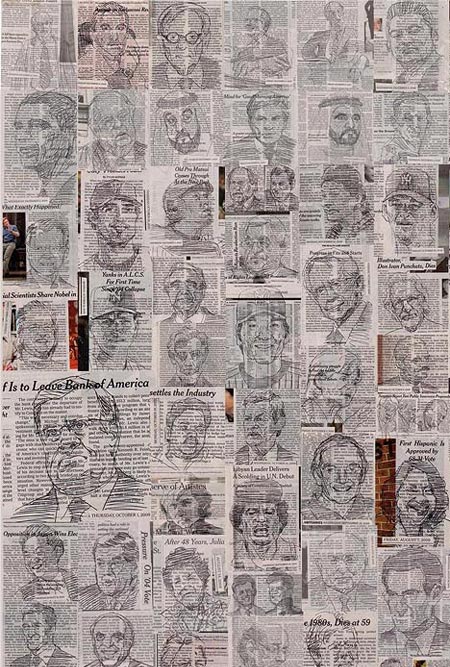
Since I wrote about illustrator Larry Roibal last year, he has been continuing his wonderful practice of daily sketches of prominent figures.Roibal draws his newsmakers on newsprint, literally. It’s common for artists to draw on “newsprint”, meaning the cheap pulp paper, similar to that on which newspapers are printed, that is used for quick sketches and throw-away drawings, but Roibal’s “newsprint” drawings take on a whole new meaning.
He sketches his portraits of politicians, world leaders, entertainers, sports figures and other newsworthy individuals directly on sections of newspaper articles about them.
Roibal’s ballpoint pen drawings are defined enough to give a sharp likeness of the individual, but open enough to let the newsprint come through.
Roibal has just assembled a remarkable collage of his drawings from the past year. My excerpt above is just a tiny fraction of the whole. You can also see a tabloid size excerpt here.
Of course, for the larger and more detailed drawings, take a meander back through his blog posts over the course of a fascinating year of news and personalities.
Categories:
-
Impressionism – Painting Light at the Albertina

Impressionism – Painting Light is the title of an exhibition at The Albertina in Vienna, Austria, on view through 14 February, 2010.The exhibit draws from the collections of the Wallraf-Richartz Museum and Foundation in Cologne, as well as the Albertina and the Batliner Collection, with additions from private collections and other museums.
Those of us not in the neighborhood can enjoy the Albertina’s online tour of some Impressionist and Post-Impressionist works that are rarely seen outside of the region.
The exhibition includes work by Impressionist and Post-Impressionist masters like Monet, Cezanne, degas, Manet, Van Gogh, Gauguin, Morisot, Seurat, Renoir, Caillebotte and Sisley, as well as less well known painters like Albert Besnard, Maximilien Luce and Maxime Maufra.
(Images above: Gustav Caillebotte, Maxime Maufra, Alfred Sisley)
[Via Art Knowledge News]
Categories:
-
Chris Buzelli
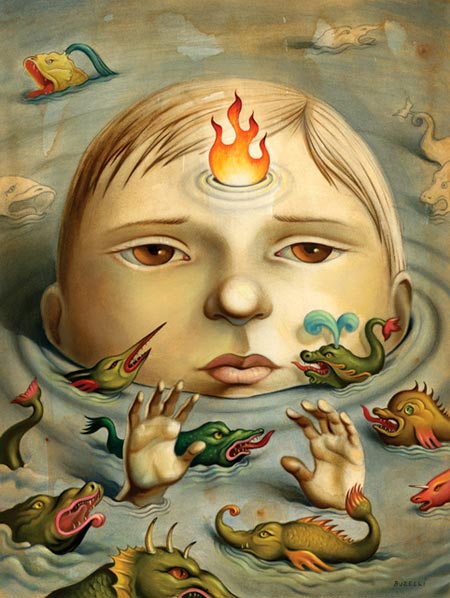
Originally form Chicago, NYC based illustrator and gallery artist Chris Buzelli cites painting alongside his grandfather in his TV repair shop as a child as a major influence on his choice of career.Buzelli studied at the Rhode Island School of Design, and his illustrations have appeared in publications like Time, Rolling Stone, Playboy and The New York Times.
His confidently rendered illustrations juxtapose disparate elements in logic-teasing arrangements. Forms, objects and expected contexts are stretched and re-imagined, the unexpected becomes the norm.
Often his images deal with wonderfully grotesque animals and other elements of the natural world, though they appear to be illustrating concepts related to modern industrialized life.
Buzelli’s web site has a gallery of his work (note that there are 4 pages of thumbnails, accessed by a small row of dots about the thumbnail area). There is also a Shop, in which both prints and original art are available.
The images on his site are unfortunately a bit small. You will find some larger images on the Tor.com site, and accompanying an interview with the artist on LCS and another on Woosta. There is also an interview with Buzellii on the Communication Arts site.
Buzelli has a blog on Drawger.
Categories:
-
Allison Proulx
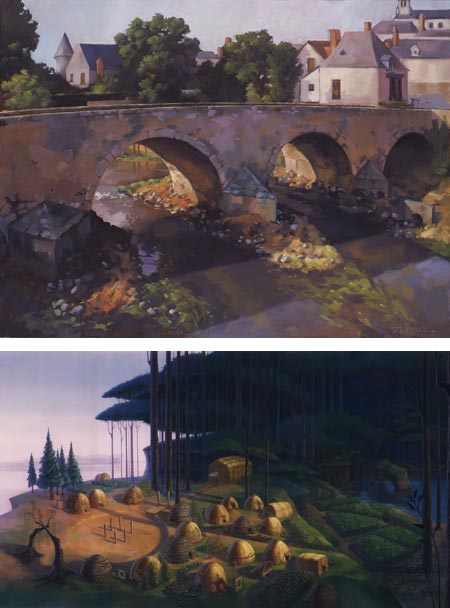
After spending much of her career in the animation industry, working for companies like Walt Disney Feature Animation and Hanna Barbara, Allison Proulx turned her attention to gallery painting.She studied at Rhode Island School of Design and Art Center College of Design and worked briefly as a freelance illustrator before entering the animation field.
Her web site featured galleries of work from both sides of her career, including figurative work.
Her simply and clearly stated landscapes come from direct observation, and are a marked contrast to the stylized animation background art that is also featured on her site.
I always find it fascinating when an artist does both real and fanciful landscapes, as the comparison speaks volumes about the intent and techniques employed in the creation of each.
Categories:
-
Dinosaur Discoveries (William Stout)

This post finds me simultaneously elated and frustrated.I’m elated because, like many other fans of William Stout’s paleontological illustrations, I’ve been waiting several decades for a suitable follow-up to his terrific 1981 book The Dinosaurs. (There was an expanded update, The New Dinosaurs in 2000, that was welcome, but not the same as a new book.)
A beautiful book of Stout’s Prehistoric Life Murals for the San Diego Museum of Natural History was released last year; but as much as I enjoyed that book, it still wasn’t the follow up to The New Dinosaurs, that I and many others have been hoping for.
The reason for that is that the murals, as striking as they are, are direct paintings, but the illustrations for The New Dinosaurs were in a style that is unusual for paleo art, but at which Stout particularly excels.
Most dinosaur art is either fully painted, or monochromatic pen and ink (there are exceptions, of course, like Douglas Henderson’s wonderful charcoal drawings); but the majority of Stout’s images for The New Dinosaurs were pen and ink with watercolor. This approach has all of the visual charm of Stout’s refined pen and ink work, combined with a beautiful application of color.
Pen and ink with watercolor is an approach that I enjoy in general, but particularly in the case of Stout’s application of it to images of dinosaurs, in which the textures of the animals and their environments are ideal subjects for the style.
(I like this approach so much that I used it, or a digital variation of it, for my own dinosaur illustrations for my dinosaur themed iPhone app; but I’m nowhere near Stout’s degree of mastery.)
The good news is that Flesk Publications, a small publisher that specializes in superbly produced books on art, illustration and comics (and which printed the aforementioned book of Stout’s paleo murals) has released not one but two absolutely beautiful new books of William Stout dinosaur art, Dinosaur Discoveries and New Dinosaur Discoveries A-Z.
The first is the true long-awaited successor to The New Dinosaurs, surpassing it in many ways. Beautifully produced in the tradition Flesk has established, Stout’s prehistoric pen and ink and watercolor marvels just jump off the page. It showcases 61 new dinosaurs that have been discovered in the last 20 years.
The hardback is a limited edition of 500 copies, numbered and signed by the artist with a bound-in plate not published in the subsequent paperback edition.
The second book is a smaller edition in which some of the material from the larger volume has been elegantly arranged into an A-Z children’s dinosaur book. While it shares content with the larger volume, Stout fans will want both, as they present the material differently enough to not seem redundant (plus they’re just so wonderfully designed and printed).
You can read publisher John Fleskes’ account of The Process behind the New Stout Books on his blog.
Though Amazon lists the books as not yet released, all three (New Dinosaur Discoveries A-Z and the hardbound and softbound editions of Dinosaur Discoveries) are available now from the Flesk Publications web site, as well as William Stout’s site.
OK, so why the part about being frustrated when Dinosaur Discoveries is, indeed, the Stout paleo art book I’ve been waiting for all these years?
Well, my frustration centers on my limited ability to point you to images from the books. Neither Flesk or Stout have seen fit to show a gallery of work from the books on the web, though there are a few scattered images you can look at.
I know that both artists and publishers have concerns about images (particularly terrific dinosaur images) being “borrowed” and spread around the web; but if you want to sell these books, you should let people know how great they look (with some detail images, come on)!
Anyway, below is what I can find on the Flesk site; but the best, and largest, images I can point you to (short of the books themselves, of course) are to be found in a download the Flesk Catalog from the right hand column of the Flesk site’s home page (from which I extracted the detail image above, bottom).
In the meanwhile, I’m happily camping out in the comfy chair with a cup of tea and my copy of Dinosaur Discoveries.
Categories:



Charley’s Picks
Bookshop.org
(Bookshop.org affilliate links; sales benefit independent bookshop owners; I get a small percentage to help support my work on Lines and Colors)
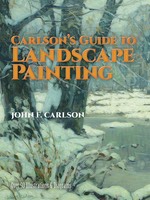
Carlson’s Guide to Landscape Painting
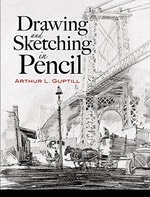
Drawing and Sketching in Pencil

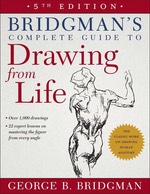
Bridgman’s Complete Guide to Drawing from Life

Charley’s Picks
Amazon
(Amazon.com affiliate links; sales go to a larger yacht for Jeff Bezos; but I get a small percentage to help support my work on Lines and Colors)
Carlson’s Guide to Landscape Painting
Drawing and Sketching in Pencil
Bridgman’s Complete Guide to Drawing from Life