


Categories
- 3d CGI
- Amusements
- Animation
- Anime & Manga
- Art Materials
- Art Videos
- Blogroll
- Cartoons
- Color
- Comics
- Concept & Visual Dev.
- Creativity
- Digital Art
- Digital Painting
- Displaying Art on the Web
- Drawing
- Eye Candy for Today
- Gallery and Museum Art
- High-res Art Images
- Illustration
- Motion Graphics & Flash
- Museums
- Online Museums
- Outsider Art
- Painting
- Painting a Day
- Paleo Art
- Pastel, Conté & Chalk
- Pen & Ink
- Prints and Printmaking
- Reviews
- Sc-fi and Fantasy
- Sculpture & Dimensional
- Site Comments
- Sketching
- Storyboards
- Tools and Techniques
- Uncategorized
- Vector Art
- Videos & Podcasts
- Vision and Optics
- Watercolor and Gouache
- Webcomics
Archives
- September 2026
- August 2026
- July 2026
- June 2026
- May 2026
- April 2026
- March 2026
- February 2026
- January 2026
- December 2025
- November 2025
- October 2025
- September 2025
- August 2025
- July 2025
- June 2025
- May 2025
- January 2025
- December 2024
- November 2024
- October 2024
- September 2024
- August 2024
- June 2024
- April 2024
- March 2024
- February 2024
- January 2024
- December 2023
- November 2023
- October 2023
- September 2023
- August 2023
- July 2023
- May 2023
- April 2023
- March 2023
- February 2023
- January 2023
- December 2022
- November 2022
- September 2022
- August 2022
- July 2022
- June 2022
- May 2022
- April 2022
- March 2022
- February 2022
- January 2022
- December 2021
- November 2021
- October 2021
- September 2021
- August 2021
- July 2021
- June 2021
- May 2021
- April 2021
- March 2021
- February 2021
- January 2021
- December 2020
- November 2020
- October 2020
- September 2020
- August 2020
- July 2020
- June 2020
- May 2020
- April 2020
- March 2020
- February 2020
- January 2020
- December 2019
- November 2019
- October 2019
- September 2019
- August 2019
- July 2019
- June 2019
- May 2019
- April 2019
- March 2019
- February 2019
- January 2019
- December 2018
- November 2018
- October 2018
- September 2018
- August 2018
- July 2018
- June 2018
- May 2018
- April 2018
- March 2018
- February 2018
- January 2018
- December 2017
- November 2017
- October 2017
- September 2017
- August 2017
- July 2017
- June 2017
- May 2017
- April 2017
- March 2017
- February 2017
- January 2017
- December 2016
- November 2016
- October 2016
- September 2016
- August 2016
- July 2016
- June 2016
- May 2016
- April 2016
- March 2016
- February 2016
- January 2016
- December 2015
- November 2015
- October 2015
- September 2015
- August 2015
- July 2015
- June 2015
- May 2015
- April 2015
- March 2015
- February 2015
- January 2015
- December 2014
- November 2014
- October 2014
- September 2014
- August 2014
- July 2014
- June 2014
- May 2014
- April 2014
- March 2014
- February 2014
- January 2014
- December 2013
- November 2013
- October 2013
- September 2013
- August 2013
- July 2013
- June 2013
- May 2013
- April 2013
- March 2013
- February 2013
- January 2013
- December 2012
- November 2012
- October 2012
- September 2012
- August 2012
- July 2012
- June 2012
- May 2012
- April 2012
- March 2012
- February 2012
- January 2012
- December 2011
- November 2011
- October 2011
- September 2011
- August 2011
- July 2011
- June 2011
- May 2011
- April 2011
- March 2011
- February 2011
- January 2011
- December 2010
- November 2010
- October 2010
- September 2010
- August 2010
- July 2010
- June 2010
- May 2010
- April 2010
- March 2010
- February 2010
- January 2010
- December 2009
- November 2009
- October 2009
- September 2009
- August 2009
- July 2009
- June 2009
- May 2009
- April 2009
- March 2009
- February 2009
- January 2009
- December 2008
- November 2008
- October 2008
- September 2008
- August 2008
- July 2008
- June 2008
- May 2008
- April 2008
- March 2008
- February 2008
- January 2008
- December 2007
- November 2007
- October 2007
- September 2007
- August 2007
- July 2007
- June 2007
- May 2007
- April 2007
- March 2007
- February 2007
- January 2007
- December 2006
- November 2006
- October 2006
- September 2006
- August 2006
- July 2006
- June 2006
- May 2006
- April 2006
- March 2006
- February 2006
- January 2006
- December 2005
- November 2005
- October 2005
- September 2005
- August 2005
Relevant Blogs
Art, Painting & Sketch
- Gurney Journey
- Underpaintings
- Art and Influence
- Painting Perceptions
- Oil Painters of America
- Vasari Paint POV
- Flying Fox
- Urban Sketchers
- Bento (Smithsonian)
- Art Inconnu
- The Hidden Place
- Still Life
- Making a Mark
- The Art of the Landscape
- Exploring Color & Creativity
- Art Contrarian
- Artist A Day
- beinArt Surreal Art Collective
- Eye Level
- David Dunlop
- p.i.g.m.e.n.t.i.u.m
- CultureGrrl
- Joaquín Sorolla blog
- Artists in Pastel
“Painting a Day”
- A Painting a Day (Keiser)
- On Painting (Keiser)
- Julian Merrow-Smith
- Karen Jurick
- Jeffrey Hayes
- Carol Marine
- Abbey Ryan
- Daily Paintworks
Other Painting Blogs
- Virtual Gouache Land
- Neil Hollingsworth
- Marc Hanson
- Kevin Menck
- Marc Dalessio
- Larry Seiler
- Stapleton Kearns
- Colin Page
- Roos Schuring
- Hans Versfelt
- Titus Meeuws
- Régis Pettinari
- René Plein Air
- Belinda Del Pesco
- Robin Weiss
- Nathan Fowkes (Land Sketch)
- William Wray
- Frank Serrano
- Stephen Magsig
- Michael Chesley Johnson
- Twice a Week
- Sarah Wimperis
- Rob Adams
- Michael Cole Manley
- The Dirty Palette Club
- Mike Manley’s Draw!
Gallery Art & Illustration mix
Illustration
- Howard Pyle
- 100 Years of Illustration
- BibliOdyssey
- Illustration Art
- Today’s Inspiration
- Illustration Mundo
- Little Chimp Society
- Danny Gregory
- R D (John Martz
- Illustration Friday blog
- Monster Brains
- Illustrators & Illustrations (RU)
- Elwood H. Smith
- DaniDraws.com
- Designers Who Blog
- iSpot Blog
Sci-Fi & Fantasy
Illustration & Comics
Comics & Cartoons
- Comics Beat
- Robot 6
- Newsarama Blog
- Comic Vine
- Comics Alliance
- Forbidden Planet Int.
- Paolo Rivera
- Bolt City
- Flight
- Scott McCloud
- The Comics Journal
- Comixpedia
- Funnybook Babylon
- James Baker
- Middleton’s Sketchbook
- Boneville
- The Hotel Fred
- Paul Rivoche
- Daily Cartoonist
- Mad About Cartoons (William Wray)
- Digital Strips
Illustration & Concept
Animation & Concept
- Cartoon Brew
- Animation Blog
- Cold Hard Flash
- Concept Art World
- The CAB
- FY Concept Art
- Concept Ships
- Concept Robots
- John Nevarez
- Armand Serrano
- Marcos Mateu-Mestre
- all kinds of stuff (Kricfalusi)
- Yacin the faun (Man Arenas)
- Kelsey Mann
- Cre8tivemarks Blog
- Ice-Cream Monster Toon Cafe
- AAU Character & Creature Design
- AAU Animation Notes
- Articles and Texticles
Paleo & Scientific
Tools & Techniques
Other
Lists of Art Blogs
Art Image Resource Links
Historic Art Images
- Wikimedia Commons: Paintings
- Wikimedia Commons: Drawings
- The Athenaeum
- WikiArt (WikiPaintings)
- Google Art Project: Artists
- Google Art Project: Collections (Museums)
- ArtCyclopedia
- Web Gallery of Art
- Art Renewal Center
- Web Gallery of Impressionism
Auction Consolidation sites
Auction sites
- Sotheby’s
- Bonham’s
- Christies
- Heritage Auctions: Fine Art
- Heritage Auctions: Illustration
- Freeman’s Auctions
- Bukowskis
- Shannon’s
Image Search
Reverse Image Search (search by image)
- Tin Eye
- RevImg
- Google Image Search (camera icon)
- Bing Image Search (camera icon)
Promoting some friends and some clients of my website design business
- Twin Willows T’ai Chi studio in Wilmington DE. Taiji classes with Bryan Davis.
- Ray Hayward, Inspired Teacher of T’ai Chi ( Taiji ) in Minneapolis, Founder of Mindful Motion Tai Chi Academy
- OldHead Tattoo studio and Art Gallery in Wilmington DE. Tattoos and paintings by Bruce Gulick
- Sharon Domenico Art, pet portrait oil paintings
- Platinum Paperhanging, wallpaper hanging, Main Line and Philadelphia, PA
- Lisa Stone Design, interior designer, Main Line and Philadelphia, PA
- Studio12KPT, original art, prints, calendars and other custom printed items by Van Sickle & Rolleri
-
Iban Barrenetxea

Iban Barrenetxea is an illustrator from the Basque region in Spain. He has illustrated numerous children’s books, including versions of classics like Snow White and Alice’s Adventures in Wonderland, as well as one of Arthur Conan Doyle’s Sherlock Holmes stories: The Red Headed League.Barrenetxea works digitally in Photoshop with a Wacom tablet, but his muted palette and emphasis on textural elements give his work a classic look, a bit like textural watercolor.
His website is in Spanish, but is easily navigated by non Spanish speakers. The home page (Inicio) is the primary gallery, the other links on the left hand side are “Books”, “Illustrations”, Blog and “About”.
You will find a variety of images, and some larger ones, on his blog. You can also find a selection of images, including some older ones, on Tutt’Art.
Categories:
-
Ernst Graner

Ernst Graner was and Austrian painter active in the late 19th and early 20th centuries.Graner painted genre scenes and landscapes, but is best known for his deftly rendered views of architecture and city scenes, particularly in Vienna.
In the larger images available on the web, you can see that for all the detail and accuracy of his paintings, his approach to watercolor is confidently relaxed and not stiff.
Some of the images I came across seemed overly saturated to me, as is often the case with online images of art from the 19th century and earlier. I’ve tried to select versions here that seem more likely to be true to the originals.
Categories:
-
Eye Candy for Today: Van Gogh cottage drawing

Two Cottages at Saintes-Maries-de-la-Mer, Vincent van GoghReed pen and brown ink over pencil, roughly 12 x 18 inches (315 x 473 cm); in the collection of the Morgan Library and Museum, which has both a zoomable and downloadable version of the image.
There is also a zoomable version on the Google Art Project and a downloadable file on Wikimedia Commons.
The attention given to the brilliantly colorful paintings of his later career often obscure the beauty and charm of Van Gogh’s drawings.
His drawings are wonderfully textural; his use of lines, dots and patterns of ink marks of varying weights give them a remarkable feeling of color, beyond his use of brown inks.
In this drawing of cottages in a Mediterranean fishing village where Van Gogh went specifically to draw in the the summer of 1888, he uses a variety of line weights, types of marks, and indications of texture to capture the cottages and their surrounding vegetation.
He has suggested bright sunlight with the shadows of the extended roof beams on the face of the cottage at right, and noted incidental details like the simple broom leaning against the wall next to the door. Quick strokes of lighter ink convey the lay of the land.
It’s interesting to compare Van Gogh’s drawing to this Rembrandt drawing of a cottage, which also uses a variety of line weights, but employs wash rather than linear or dotted textures to describe the forms.
Categories:
-
Yury Nikolaev

Yury Viktorovich Nikolaev is a contemporary Russian painter whose primary subjects are still life arrangements of food.Some of his compositions — filled with crockery, baked goods, baskets and flowers — have a kind of homespun, folksy-craftsy charm that would not be out of place in a magazine devoted to recipies, but they are so well painted I won’t hold that against him (grin).
If you find some of the large images available of his work, you will find them nicely painterly, with much attention paid to value and surface texture.
I can’t find anything I can identify as an official website for him, so I’ve linked to some gallery sites that feature his work.
You can also try a Google image search.
You may find additional sites and images by searching for the Russian translation of “artist Nikolayev Yuri”: Художника Николаева Юрия
Categories:
-
Peter Fiore (update)

Peter Fiore is a painter based in northeastern Pennsylvania, who I first profiled back in 2012.Fiore often takes his fascination with light — particularly the horizontal light of early and late in the day — into the woods, where he seeks rhythm and balance in the intricate patterns formed by the trunks of trees and their intertwined branches.
In many of his compositions, he finds patches of sunlight that carve a theatrical spotlight on part of the forest, producing a dance of light and dark elements that invite you back into the depths of the composition.
In some of his earlier themes, he presents wider views of fields and hills, often with compositions that push the horizon higher or lower in the composition than is more commonly seen.
All of these are rendered with contrasts of high and low chroma passages, and with a marvelous painterly presentation of texture.
Fiore conducts workshops and has instructional videos available, for which you can find previews on his website and on YouTube.
Fiore’s work is currently on display in a solo show at Studio 7 Art Gallery in Bernardsville, NJ, not far from Newark and NYC.
“Peter Fiore: Perceptions” is on view until January 27, 2018.
Categories:
-
Eye Candy for Today: James Jebusa Shannon’s Jungle Tales

Jungle Tales, James Jebusa ShannonIn the collection of the Metropolitan Museum of Art; use the Download or Enlarge links under the image.
American artist James Jebusa Shannon, who spent most of his career in England, here presents an intimate scene of his wife reading to their daughter and one of her friends. “Jungle Tales” likely referred to Rudyard Kipling’s Jungle Book, which had been published in 1894, a year before this was painted.
The wonderfully sensitive rendering of the young girls’ faces is still painterly and soft-edged; the indication of the patterns on the translucent fabrics is composed of single brushstrokes or dots of paint; and hair is presented with just enough suggestion of textural strokes that our eye fills in abundant detail.
Categories:


Charley’s Picks
Bookshop.org
(Bookshop.org affilliate links; sales benefit independent bookshop owners; I get a small percentage to help support my work on Lines and Colors)
Carlson’s Guide to Landscape Painting
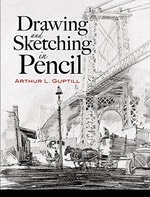
Drawing and Sketching in Pencil
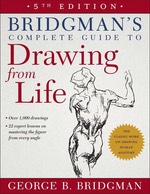
Bridgman’s Complete Guide to Drawing from Life

Charley’s Picks
Amazon
(Amazon.com affiliate links; sales go to a larger yacht for Jeff Bezos; but I get a small percentage to help support my work on Lines and Colors)
Carlson’s Guide to Landscape Painting
Drawing and Sketching in Pencil
Bridgman’s Complete Guide to Drawing from Life