


Categories
- 3d CGI
- Amusements
- Animation
- Anime & Manga
- Art Materials
- Art Videos
- Blogroll
- Cartoons
- Color
- Comics
- Concept & Visual Dev.
- Creativity
- Digital Art
- Digital Painting
- Displaying Art on the Web
- Drawing
- Eye Candy for Today
- Gallery and Museum Art
- High-res Art Images
- Illustration
- Motion Graphics & Flash
- Museums
- Online Museums
- Outsider Art
- Painting
- Painting a Day
- Paleo Art
- Pastel, Conté & Chalk
- Pen & Ink
- Prints and Printmaking
- Reviews
- Sc-fi and Fantasy
- Sculpture & Dimensional
- Site Comments
- Sketching
- Storyboards
- Tools and Techniques
- Uncategorized
- Vector Art
- Videos & Podcasts
- Vision and Optics
- Watercolor and Gouache
- Webcomics
Archives
- September 2026
- August 2026
- July 2026
- June 2026
- May 2026
- April 2026
- March 2026
- February 2026
- January 2026
- December 2025
- November 2025
- October 2025
- September 2025
- August 2025
- July 2025
- June 2025
- May 2025
- January 2025
- December 2024
- November 2024
- October 2024
- September 2024
- August 2024
- June 2024
- April 2024
- March 2024
- February 2024
- January 2024
- December 2023
- November 2023
- October 2023
- September 2023
- August 2023
- July 2023
- May 2023
- April 2023
- March 2023
- February 2023
- January 2023
- December 2022
- November 2022
- September 2022
- August 2022
- July 2022
- June 2022
- May 2022
- April 2022
- March 2022
- February 2022
- January 2022
- December 2021
- November 2021
- October 2021
- September 2021
- August 2021
- July 2021
- June 2021
- May 2021
- April 2021
- March 2021
- February 2021
- January 2021
- December 2020
- November 2020
- October 2020
- September 2020
- August 2020
- July 2020
- June 2020
- May 2020
- April 2020
- March 2020
- February 2020
- January 2020
- December 2019
- November 2019
- October 2019
- September 2019
- August 2019
- July 2019
- June 2019
- May 2019
- April 2019
- March 2019
- February 2019
- January 2019
- December 2018
- November 2018
- October 2018
- September 2018
- August 2018
- July 2018
- June 2018
- May 2018
- April 2018
- March 2018
- February 2018
- January 2018
- December 2017
- November 2017
- October 2017
- September 2017
- August 2017
- July 2017
- June 2017
- May 2017
- April 2017
- March 2017
- February 2017
- January 2017
- December 2016
- November 2016
- October 2016
- September 2016
- August 2016
- July 2016
- June 2016
- May 2016
- April 2016
- March 2016
- February 2016
- January 2016
- December 2015
- November 2015
- October 2015
- September 2015
- August 2015
- July 2015
- June 2015
- May 2015
- April 2015
- March 2015
- February 2015
- January 2015
- December 2014
- November 2014
- October 2014
- September 2014
- August 2014
- July 2014
- June 2014
- May 2014
- April 2014
- March 2014
- February 2014
- January 2014
- December 2013
- November 2013
- October 2013
- September 2013
- August 2013
- July 2013
- June 2013
- May 2013
- April 2013
- March 2013
- February 2013
- January 2013
- December 2012
- November 2012
- October 2012
- September 2012
- August 2012
- July 2012
- June 2012
- May 2012
- April 2012
- March 2012
- February 2012
- January 2012
- December 2011
- November 2011
- October 2011
- September 2011
- August 2011
- July 2011
- June 2011
- May 2011
- April 2011
- March 2011
- February 2011
- January 2011
- December 2010
- November 2010
- October 2010
- September 2010
- August 2010
- July 2010
- June 2010
- May 2010
- April 2010
- March 2010
- February 2010
- January 2010
- December 2009
- November 2009
- October 2009
- September 2009
- August 2009
- July 2009
- June 2009
- May 2009
- April 2009
- March 2009
- February 2009
- January 2009
- December 2008
- November 2008
- October 2008
- September 2008
- August 2008
- July 2008
- June 2008
- May 2008
- April 2008
- March 2008
- February 2008
- January 2008
- December 2007
- November 2007
- October 2007
- September 2007
- August 2007
- July 2007
- June 2007
- May 2007
- April 2007
- March 2007
- February 2007
- January 2007
- December 2006
- November 2006
- October 2006
- September 2006
- August 2006
- July 2006
- June 2006
- May 2006
- April 2006
- March 2006
- February 2006
- January 2006
- December 2005
- November 2005
- October 2005
- September 2005
- August 2005
Relevant Blogs
Art, Painting & Sketch
- Gurney Journey
- Underpaintings
- Art and Influence
- Painting Perceptions
- Oil Painters of America
- Vasari Paint POV
- Flying Fox
- Urban Sketchers
- Bento (Smithsonian)
- Art Inconnu
- The Hidden Place
- Still Life
- Making a Mark
- The Art of the Landscape
- Exploring Color & Creativity
- Art Contrarian
- Artist A Day
- beinArt Surreal Art Collective
- Eye Level
- David Dunlop
- p.i.g.m.e.n.t.i.u.m
- CultureGrrl
- Joaquín Sorolla blog
- Artists in Pastel
“Painting a Day”
- A Painting a Day (Keiser)
- On Painting (Keiser)
- Julian Merrow-Smith
- Karen Jurick
- Jeffrey Hayes
- Carol Marine
- Abbey Ryan
- Daily Paintworks
Other Painting Blogs
- Virtual Gouache Land
- Neil Hollingsworth
- Marc Hanson
- Kevin Menck
- Marc Dalessio
- Larry Seiler
- Stapleton Kearns
- Colin Page
- Roos Schuring
- Hans Versfelt
- Titus Meeuws
- Régis Pettinari
- René Plein Air
- Belinda Del Pesco
- Robin Weiss
- Nathan Fowkes (Land Sketch)
- William Wray
- Frank Serrano
- Stephen Magsig
- Michael Chesley Johnson
- Twice a Week
- Sarah Wimperis
- Rob Adams
- Michael Cole Manley
- The Dirty Palette Club
- Mike Manley’s Draw!
Gallery Art & Illustration mix
Illustration
- Howard Pyle
- 100 Years of Illustration
- BibliOdyssey
- Illustration Art
- Today’s Inspiration
- Illustration Mundo
- Little Chimp Society
- Danny Gregory
- R D (John Martz
- Illustration Friday blog
- Monster Brains
- Illustrators & Illustrations (RU)
- Elwood H. Smith
- DaniDraws.com
- Designers Who Blog
- iSpot Blog
Sci-Fi & Fantasy
Illustration & Comics
Comics & Cartoons
- Comics Beat
- Robot 6
- Newsarama Blog
- Comic Vine
- Comics Alliance
- Forbidden Planet Int.
- Paolo Rivera
- Bolt City
- Flight
- Scott McCloud
- The Comics Journal
- Comixpedia
- Funnybook Babylon
- James Baker
- Middleton’s Sketchbook
- Boneville
- The Hotel Fred
- Paul Rivoche
- Daily Cartoonist
- Mad About Cartoons (William Wray)
- Digital Strips
Illustration & Concept
Animation & Concept
- Cartoon Brew
- Animation Blog
- Cold Hard Flash
- Concept Art World
- The CAB
- FY Concept Art
- Concept Ships
- Concept Robots
- John Nevarez
- Armand Serrano
- Marcos Mateu-Mestre
- all kinds of stuff (Kricfalusi)
- Yacin the faun (Man Arenas)
- Kelsey Mann
- Cre8tivemarks Blog
- Ice-Cream Monster Toon Cafe
- AAU Character & Creature Design
- AAU Animation Notes
- Articles and Texticles
Paleo & Scientific
Tools & Techniques
Other
Lists of Art Blogs
Art Image Resource Links
Historic Art Images
- Wikimedia Commons: Paintings
- Wikimedia Commons: Drawings
- The Athenaeum
- WikiArt (WikiPaintings)
- Google Art Project: Artists
- Google Art Project: Collections (Museums)
- ArtCyclopedia
- Web Gallery of Art
- Art Renewal Center
- Web Gallery of Impressionism
Auction Consolidation sites
Auction sites
- Sotheby’s
- Bonham’s
- Christies
- Heritage Auctions: Fine Art
- Heritage Auctions: Illustration
- Freeman’s Auctions
- Bukowskis
- Shannon’s
Image Search
Reverse Image Search (search by image)
- Tin Eye
- RevImg
- Google Image Search (camera icon)
- Bing Image Search (camera icon)
Promoting some friends and some clients of my website design business
- Twin Willows T’ai Chi studio in Wilmington DE. Taiji classes with Bryan Davis.
- Ray Hayward, Inspired Teacher of T’ai Chi ( Taiji ) in Minneapolis, Founder of Mindful Motion Tai Chi Academy
- OldHead Tattoo studio and Art Gallery in Wilmington DE. Tattoos and paintings by Bruce Gulick
- Sharon Domenico Art, pet portrait oil paintings
- Platinum Paperhanging, wallpaper hanging, Main Line and Philadelphia, PA
- Lisa Stone Design, interior designer, Main Line and Philadelphia, PA
- Studio12KPT, original art, prints, calendars and other custom printed items by Van Sickle & Rolleri
-
Tianhua Xu

Tianhua Xu is a concept artist, art director and production designer based in Beijing, China.His digital painting approach is nicely atmospheric and carries a flavor of painterly traditional media. That, and a nicely honed sense of visual drama give his visions of dragons, spirits, warriors and monsters a vibrant presence.
Categories:
-
Eye Candy for Today: Sargent travel watercolor

Simplon Pass: The Tease, John Singer SargentLink is to zoomable image on Google Art Project; there is a downloadable high-res file on Wikimedia Commons; original is in the Museum of Fine Arts, Boston.
Watercolor over graphite sketch, with gouache and the use of wax resist; roughly 16 x 21 inches (40 x 53 cm).
In addition to his extraordinary formal portrait paintings in oil, John Singer Sargent was one of the great masters of watercolor.
Here is one of Sargent’s seemingly casual but brilliant travel watercolors, painted for his own pleasure while touring Europe. Sargent was in his 40s when he grew weary of painting portraits of the moneyed elite, took up his watercolors and went on extended trips across Europe and the eastern Mediterranean.
This one was painted at the Simplon Pass on the border between Switzerland and Italy, a location he returned to on several occasions. I believe the figures are of his sister and a niece who accompanied him on some of his travels in the Alps.
I was fortunate to see many of Sargent’s watercolors — including this one and others from the Museum of Fine Arts, Boston — in a show at the Brooklyn Museum in 2013. Just knocked me out. Wow.
Categories:
-
Ivan Endogurov

Ivan Endogurov was a Russian painter active in the late 19th century. He initially entered the study of law at St Petersburgh University, but after taking private lessons in painting he changed to that pursuit full time, concentrating on landscape.I couldn’t find much in the way of available image resources for Endogurov, but there is enough to be intrigued by his subject matter and handling.
Categories:
-
Eye Candy for today: Corot Fontainebleau landscape

Forest of Fontainebleau, Jean-Baptiste-CamilleLink is to zoomable image on Google Art Project; downloadable file on Wikimedia Commons; Original is in the Museum of Fine Arts, Boston
Corot entered this painting in the Paris Salon of 1846, and it became the first officially recognized pure landscape in French painting — without historical or mythological subject or other noble human activity as was traditionally required.
Corot based this studio work on location studies in the forest of Fontainebleau, where he had been painting for some 20 years.
His work there paved the way for the plein air paintungs of the Barbizon school, and later, Monet and the other Impressionists.
Categories:
-
Toshi Yoshida

Toshi Yoshida was a Japanese woodblock printmaker and the son of renowned printmaker Hiroshi Yoshida.Toshi Yoshida was active in the 20th century and was associated with the sōsaku-hanga (“creative prints”) movement, in which artists carve and print their own blocks — as contrasted with the shin-hanga (“new prints”) movement that continued the traditional practice of artists working with specialists in carving and printing to realize their designs. Hiroshi Yoshida was associated with the latter movement, though he also worked in the sōsaku-hanga manner.
Toshi, like many scions of artistic parents, was faced with the choice of embracing or stepping around his father’s legacy, and to my eye, he did a bit of both, carrying on his father’s sensitive vision of landscape, his love of travel and the influence of Western art, but adding his own bold styles and even experimenting with non-representational designs.
Toahi Yoshida also did many prints of animal subjects, particularly birds, that have the same sensitivity and delicate nuance as evidenced in his landscapes. In his landscape prints, I particularly admire his use of muted colors and atmospheric perspective.
As with any printmaker, you will find that some of the images you see of the same subject are from different printings of the same block; in the case of Japanese woodblock prints, they are often printed with different color schemes.
Categories:
-
Karl J. Kuerner

I had the opportunity this fall to take advantage of a one of the Plein Air Painting Days sponsored by the Brandywine River Museum, that gives artists the opportunity to paint at Kuerner Farm in Chadds Ford, PA.The farm is famous as the location for many of Andrew Wyeth’s most recognizable works, and is now part of the Brandywine Conservancy. It’s also simply a beautiful place to paint, with or without the connection to Wyeth.
While there, I happened to meet Karl J. Kuerner, an artist who works in the Brandywine tradition, and with whose work I was only passingly familiar. I had seen a few pieces online on a gallery’s website, but not his own site.
Karl introduced himself, commented on my painting and then was nice enough to show me a book of some of his work, which I liked very much.
Kuerner is the grandson of the Kuerners who lived on the farm when young Andrew Wyeth started visiting and painting there, a practice Wyeth continued for most of his career.
Though the farm is now part of the Brandywine Conservancy, Kuener still visits regularly to tend to the goats, rescue animals that now live on the farm.
Karl J Kuerner grew up with an interest in art that was encouraged by Carolyn Wyeth, Andrew’s sister and an artist in her own right, and was later mentored by Andrew Wyeth for over 30 years.
Though the influence of his teacher and mentor is evident in his approach, and he has access to much of the same subject matter, Kuerner has taken his own approach, expanding the range of what is generally known as the Brandywine tradition, a style of painting that stems from the great American illustrator Howard Pyle, through his students, including N.C. Wyeth, and passing down to Andrew and those influenced by him.
Part of the Brandywine tradition stems from the beauty of the area itself, which I took for granted when I was younger; but having traveled over the years, I still believe it’s one of the most beautiful areas in the country. The bucolic rolling hills of the Appalachian piedmont that cuts diagonally through eastern Pennsylvania seem particularly charming in the Brandywine Valley. It’s not surprising that the area has inspired generations of artists.
Kuerner has responded to the landscape with an approach that is perhaps more direct than that of his mentor, with brighter colors and an eye to strong compositional geometry — though still including an emphasis on the rich textures of trees, fields and the walls of farm buildings.
He also paints playful interpretations of animal subjects, seascapes, still life and some narrative compositions that have a feeling of illustrations for untold stories.
In addition to the images on Kuerner’s website, there is a collection of his work, All in a Day’s Work: from Heritage to Artist, available from Cedartree Books.
Also published by Cedartree are Kuerner’s children’s books, featuring a black cat: Ike at Night, Ike at Sea and Ike Takes Flight.
Kuerner sometimes conducts classes at the farm, organized through the Brandywine River Museum.
Karl J Kuerner’s work will be on display at Mala Galleria in Kennet Square, PA, in a group show, “Our Brandywine Tradition” that opens this Friday, December 1st (opening 6:00 – 9:00 PM), and runs to December 28, 2017.
Categories:



Charley’s Picks
Bookshop.org
(Bookshop.org affilliate links; sales benefit independent bookshop owners; I get a small percentage to help support my work on Lines and Colors)
Carlson’s Guide to Landscape Painting
Drawing and Sketching in Pencil
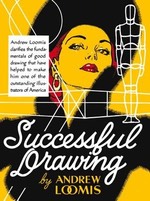

Bridgman’s Complete Guide to Drawing from Life


Charley’s Picks
Amazon
(Amazon.com affiliate links; sales go to a larger yacht for Jeff Bezos; but I get a small percentage to help support my work on Lines and Colors)
Carlson’s Guide to Landscape Painting
Drawing and Sketching in Pencil
Bridgman’s Complete Guide to Drawing from Life