


Categories
- 3d CGI
- Amusements
- Animation
- Anime & Manga
- Art Materials
- Art Videos
- Blogroll
- Cartoons
- Color
- Comics
- Concept & Visual Dev.
- Creativity
- Digital Art
- Digital Painting
- Displaying Art on the Web
- Drawing
- Eye Candy for Today
- Gallery and Museum Art
- High-res Art Images
- Illustration
- Motion Graphics & Flash
- Museums
- Online Museums
- Outsider Art
- Painting
- Painting a Day
- Paleo Art
- Pastel, Conté & Chalk
- Pen & Ink
- Prints and Printmaking
- Reviews
- Sc-fi and Fantasy
- Sculpture & Dimensional
- Site Comments
- Sketching
- Storyboards
- Tools and Techniques
- Uncategorized
- Vector Art
- Videos & Podcasts
- Vision and Optics
- Watercolor and Gouache
- Webcomics
Archives
- September 2026
- August 2026
- July 2026
- June 2026
- May 2026
- April 2026
- March 2026
- February 2026
- January 2026
- December 2025
- November 2025
- October 2025
- September 2025
- August 2025
- July 2025
- June 2025
- May 2025
- January 2025
- December 2024
- November 2024
- October 2024
- September 2024
- August 2024
- June 2024
- April 2024
- March 2024
- February 2024
- January 2024
- December 2023
- November 2023
- October 2023
- September 2023
- August 2023
- July 2023
- May 2023
- April 2023
- March 2023
- February 2023
- January 2023
- December 2022
- November 2022
- September 2022
- August 2022
- July 2022
- June 2022
- May 2022
- April 2022
- March 2022
- February 2022
- January 2022
- December 2021
- November 2021
- October 2021
- September 2021
- August 2021
- July 2021
- June 2021
- May 2021
- April 2021
- March 2021
- February 2021
- January 2021
- December 2020
- November 2020
- October 2020
- September 2020
- August 2020
- July 2020
- June 2020
- May 2020
- April 2020
- March 2020
- February 2020
- January 2020
- December 2019
- November 2019
- October 2019
- September 2019
- August 2019
- July 2019
- June 2019
- May 2019
- April 2019
- March 2019
- February 2019
- January 2019
- December 2018
- November 2018
- October 2018
- September 2018
- August 2018
- July 2018
- June 2018
- May 2018
- April 2018
- March 2018
- February 2018
- January 2018
- December 2017
- November 2017
- October 2017
- September 2017
- August 2017
- July 2017
- June 2017
- May 2017
- April 2017
- March 2017
- February 2017
- January 2017
- December 2016
- November 2016
- October 2016
- September 2016
- August 2016
- July 2016
- June 2016
- May 2016
- April 2016
- March 2016
- February 2016
- January 2016
- December 2015
- November 2015
- October 2015
- September 2015
- August 2015
- July 2015
- June 2015
- May 2015
- April 2015
- March 2015
- February 2015
- January 2015
- December 2014
- November 2014
- October 2014
- September 2014
- August 2014
- July 2014
- June 2014
- May 2014
- April 2014
- March 2014
- February 2014
- January 2014
- December 2013
- November 2013
- October 2013
- September 2013
- August 2013
- July 2013
- June 2013
- May 2013
- April 2013
- March 2013
- February 2013
- January 2013
- December 2012
- November 2012
- October 2012
- September 2012
- August 2012
- July 2012
- June 2012
- May 2012
- April 2012
- March 2012
- February 2012
- January 2012
- December 2011
- November 2011
- October 2011
- September 2011
- August 2011
- July 2011
- June 2011
- May 2011
- April 2011
- March 2011
- February 2011
- January 2011
- December 2010
- November 2010
- October 2010
- September 2010
- August 2010
- July 2010
- June 2010
- May 2010
- April 2010
- March 2010
- February 2010
- January 2010
- December 2009
- November 2009
- October 2009
- September 2009
- August 2009
- July 2009
- June 2009
- May 2009
- April 2009
- March 2009
- February 2009
- January 2009
- December 2008
- November 2008
- October 2008
- September 2008
- August 2008
- July 2008
- June 2008
- May 2008
- April 2008
- March 2008
- February 2008
- January 2008
- December 2007
- November 2007
- October 2007
- September 2007
- August 2007
- July 2007
- June 2007
- May 2007
- April 2007
- March 2007
- February 2007
- January 2007
- December 2006
- November 2006
- October 2006
- September 2006
- August 2006
- July 2006
- June 2006
- May 2006
- April 2006
- March 2006
- February 2006
- January 2006
- December 2005
- November 2005
- October 2005
- September 2005
- August 2005
Relevant Blogs
Art, Painting & Sketch
- Gurney Journey
- Underpaintings
- Art and Influence
- Painting Perceptions
- Oil Painters of America
- Vasari Paint POV
- Flying Fox
- Urban Sketchers
- Bento (Smithsonian)
- Art Inconnu
- The Hidden Place
- Still Life
- Making a Mark
- The Art of the Landscape
- Exploring Color & Creativity
- Art Contrarian
- Artist A Day
- beinArt Surreal Art Collective
- Eye Level
- David Dunlop
- p.i.g.m.e.n.t.i.u.m
- CultureGrrl
- Joaquín Sorolla blog
- Artists in Pastel
“Painting a Day”
- A Painting a Day (Keiser)
- On Painting (Keiser)
- Julian Merrow-Smith
- Karen Jurick
- Jeffrey Hayes
- Carol Marine
- Abbey Ryan
- Daily Paintworks
Other Painting Blogs
- Virtual Gouache Land
- Neil Hollingsworth
- Marc Hanson
- Kevin Menck
- Marc Dalessio
- Larry Seiler
- Stapleton Kearns
- Colin Page
- Roos Schuring
- Hans Versfelt
- Titus Meeuws
- Régis Pettinari
- René Plein Air
- Belinda Del Pesco
- Robin Weiss
- Nathan Fowkes (Land Sketch)
- William Wray
- Frank Serrano
- Stephen Magsig
- Michael Chesley Johnson
- Twice a Week
- Sarah Wimperis
- Rob Adams
- Michael Cole Manley
- The Dirty Palette Club
- Mike Manley’s Draw!
Gallery Art & Illustration mix
Illustration
- Howard Pyle
- 100 Years of Illustration
- BibliOdyssey
- Illustration Art
- Today’s Inspiration
- Illustration Mundo
- Little Chimp Society
- Danny Gregory
- R D (John Martz
- Illustration Friday blog
- Monster Brains
- Illustrators & Illustrations (RU)
- Elwood H. Smith
- DaniDraws.com
- Designers Who Blog
- iSpot Blog
Sci-Fi & Fantasy
Illustration & Comics
Comics & Cartoons
- Comics Beat
- Robot 6
- Newsarama Blog
- Comic Vine
- Comics Alliance
- Forbidden Planet Int.
- Paolo Rivera
- Bolt City
- Flight
- Scott McCloud
- The Comics Journal
- Comixpedia
- Funnybook Babylon
- James Baker
- Middleton’s Sketchbook
- Boneville
- The Hotel Fred
- Paul Rivoche
- Daily Cartoonist
- Mad About Cartoons (William Wray)
- Digital Strips
Illustration & Concept
Animation & Concept
- Cartoon Brew
- Animation Blog
- Cold Hard Flash
- Concept Art World
- The CAB
- FY Concept Art
- Concept Ships
- Concept Robots
- John Nevarez
- Armand Serrano
- Marcos Mateu-Mestre
- all kinds of stuff (Kricfalusi)
- Yacin the faun (Man Arenas)
- Kelsey Mann
- Cre8tivemarks Blog
- Ice-Cream Monster Toon Cafe
- AAU Character & Creature Design
- AAU Animation Notes
- Articles and Texticles
Paleo & Scientific
Tools & Techniques
Other
Lists of Art Blogs
Art Image Resource Links
Historic Art Images
- Wikimedia Commons: Paintings
- Wikimedia Commons: Drawings
- The Athenaeum
- WikiArt (WikiPaintings)
- Google Art Project: Artists
- Google Art Project: Collections (Museums)
- ArtCyclopedia
- Web Gallery of Art
- Art Renewal Center
- Web Gallery of Impressionism
Auction Consolidation sites
Auction sites
- Sotheby’s
- Bonham’s
- Christies
- Heritage Auctions: Fine Art
- Heritage Auctions: Illustration
- Freeman’s Auctions
- Bukowskis
- Shannon’s
Image Search
Reverse Image Search (search by image)
- Tin Eye
- RevImg
- Google Image Search (camera icon)
- Bing Image Search (camera icon)
Promoting some friends and some clients of my website design business
- Twin Willows T’ai Chi studio in Wilmington DE. Taiji classes with Bryan Davis.
- Ray Hayward, Inspired Teacher of T’ai Chi ( Taiji ) in Minneapolis, Founder of Mindful Motion Tai Chi Academy
- OldHead Tattoo studio and Art Gallery in Wilmington DE. Tattoos and paintings by Bruce Gulick
- Sharon Domenico Art, pet portrait oil paintings
- Platinum Paperhanging, wallpaper hanging, Main Line and Philadelphia, PA
- Lisa Stone Design, interior designer, Main Line and Philadelphia, PA
- Studio12KPT, original art, prints, calendars and other custom printed items by Van Sickle & Rolleri
-
Michal Jasiewicz

Michal Jasiewicz is a Polish architect whose avocation and passion is painting in watercolor.Like other artists trained in architecture or architectural rendering, Jasiewicz’s work is characterized by a foundation of solid draftsmanship that allows his to apply his colors freely without losing the sense of underlying geometric strength.
I particularly like that characteristic of his work as well as his skilled contrast of hard and soft edges.
Jasiewicz conducts workshops in Poland and elsewhere, including an upcoming one in Valencia, Spain, 13 November – 17 November, 2017. (There are additional examples of his work on the workshop info page.)
There is a brief interview with Jasiewicz on Art of Watercolor.
Categories:
-
Sara Tyson (update)

Sara Tyson is an illustrator and graphic designer based in Ontaio, Canada, who I first profiled back in 2007. Her illustration clients include the Washington Post, Smithsonian Magazine, Harvard Business Review, The Globe & Mail, Road & Track, Penguin Group, McGraw-Hill Ryerson and Harcourt Publishers, among others.Tyson works in a highly stylized and often strongly geometric style, that at times is overtly Cubist in its effects.
Her rich but controlled palette is nicely augmented with textural passages, adding extra vibrancy to both her highly styled and more naturalistic subjects.
Categories:
-
“Giovanni Bellini: Landscapes of Faith in Renaissance Venice” at the Getty

When I first came across reproductions of the painting St. Francis in the Desert by Venitian master Giovanni Bellini years ago, my immediate thought was: here is an artist who is constrained by his time to painting religious subjects, but really, really wants to paint landscape.
Seeing that painting in person at the Frick Collection in New York — and again as recently as a few weeks ago — has only reinforced my impression, as has my observation of other works by Bellini.
His often intricate and highly textural landscapes make a striking contrast to his softly luminous and superbly finessed figures.
Though landscape as a subject for painting was present in Greek and Roman murals, it was subsumed into religious and history painting for centuries, not emerging again as an independent subject until the early 16th century in the Netherlands, and the 17th century in Italy and elsewhere.
In the Renaissance, it was Bellini who elevated the place of landscape in religious painting; and despite the fact that he was not a “pure” landscape painter, and that his landscapes were rich with metaphor and religious symbolism, he should be considered one of history’s greatest and most influential landscape artists.
The J. Paul Getty Museum in Los Angeles has mounted what promises to be a stunning show of works by Bellini that focuses attention on his landscapes. Though St. Francis in the Desert is not part of the show, there are dazzling works on loan from the Gallerie dell’Accademia, Venice; Galleria Corsini and Gallerie degli Uffizi, Florence; the Louvre and RMN-Grand Palais, Paris; and the National Galleries of Art, London and DC, as well as other public and private collections.
Giovanni Bellini: Landscapes of Faith in Renaissance Venice is on view at the Getty Center until January 14, 2018.
There is a book accompanying the exhibition, also available on Amazon: Giovanni Bellini: Landscapes of Faith in Renaissance Venice.
There is a show checklist here. Inexplicably, the Getty’s website appears to have limited images from the show to that list and a slideshow of eight images, mostly detail crops. (Why museums don’t take better advantage of images on their websites to generate interest in exhibitions continues to boggle my mind.)
The Los Angeles Times has a review of the show with larger, more complete images.
Those of us who can’t get to the exhibition in person can take it as a jumping off point to explore images of Bellini’s work with appreciation for his landscapes in mind. A good place to start might be the zoomable images on Google Art Project.
Categories:
-
Eye Candy for Today: Peder Mønsted woodland interior

A Woodland Stream, Peder Mørk MønstedLink is to Wikimedia Commons, which has a high res version of the file. The original was sold through Sotheby’s in 1987 and is presumably still in a private collection.
As far as I can tell, the majority of Mønsted’s paintings seem to be in private collections. He is one of my favorite painters, based solely on seeing images of his work; I’ve never seen an original in person.
If anyone is aware of Peder Mønsted paintings in public collections here in the U.S. (particularly on the mid-Atlantic states), I would love to know about them.
Categories:Displaying Art on the Web, Eye Candy for Today, Gallery and Museum Art, Motion Graphics & Flash, Tools and Techniques
-
Paschalis Dougalis

Originally from Greece, Paschalis Dougalis is an artist and wildlife illustrator currently based in Munich, Germany.Douglais has a special interest in birds, and owls in particular. He works in watercolor, gouache and acrylic for his finished pieces, and often works from life in zoos and parks, capturing animals in watercolor or pen, often Bic pens.
I particularly enjoy his drawings on toned paper in which he works out from the middle ground with both ink and white gel pens.
Though there are a few images on his website, his blog is more active. Douglais’ YouTube channel includes a number of videos of him working on location.
There is a brief interview with Douglais on Birdingmurcia.
Categories:
-
Eye Candy for Today: Jongkind Laundry Boat on the Seine

Bateau-Lavoir prés du Pont-Neuf, Paris; Johan JongkindFrom our vantage point in time, we have a tendency to call paintings like this one — with its loose, painterly brushwork, depiction of everyday events, and contrasting complementary colors — “impressionistic”.
It’s another reminder that the characteristics we associate with French Impressionism were not invented out of whole cloth by Monet, Renoir, Sisley and Bazille, but were in large part a logical progression from painters who immediately preceded them.
Like similar works by Charles-François Daubigny, this was painted several years prior to Monet’s first known painting, let alone the height of the Impressionist style, which came a decade later.
Here, Johan Jongkind, a Dutch painter who worked extensively in Paris, portrays a laundry boat moored in the Siene near the Pont-Neuf.
This is hardly the romantic image we have of the Seine in the 19th century, but that was part of the point of the move toward “Realism” instigated by painters like Courbet and Corot, that the everyday activities or ordinary people were worthy of painting, not just the romanticized and idealized visions of Academic painting.
Jongkind painted at least one other interpretation of this scene — a composition in darker light, with a vantage point closer to the boat and bridge — that is now in the Metropolitan Museum of Art and was painted perhaps earlier the same year.
The painting shown here is currently in a private collection; it was sold through Sotheby’s auctions in 2011.
Link is to Wikimedia Commons, which has a downloadable version of the image.
Categories:



Charley’s Picks
Bookshop.org
(Bookshop.org affilliate links; sales benefit independent bookshop owners; I get a small percentage to help support my work on Lines and Colors)
Carlson’s Guide to Landscape Painting
Drawing and Sketching in Pencil
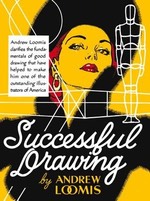
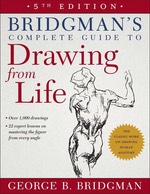
Bridgman’s Complete Guide to Drawing from Life


Charley’s Picks
Amazon
(Amazon.com affiliate links; sales go to a larger yacht for Jeff Bezos; but I get a small percentage to help support my work on Lines and Colors)
Carlson’s Guide to Landscape Painting
Drawing and Sketching in Pencil
Bridgman’s Complete Guide to Drawing from Life