


Categories
- 3d CGI
- Amusements
- Animation
- Anime & Manga
- Art Materials
- Art Videos
- Blogroll
- Cartoons
- Color
- Comics
- Concept & Visual Dev.
- Creativity
- Digital Art
- Digital Painting
- Displaying Art on the Web
- Drawing
- Eye Candy for Today
- Gallery and Museum Art
- High-res Art Images
- Illustration
- Motion Graphics & Flash
- Museums
- Online Museums
- Outsider Art
- Painting
- Painting a Day
- Paleo Art
- Pastel, Conté & Chalk
- Pen & Ink
- Prints and Printmaking
- Reviews
- Sc-fi and Fantasy
- Sculpture & Dimensional
- Site Comments
- Sketching
- Storyboards
- Tools and Techniques
- Uncategorized
- Vector Art
- Videos & Podcasts
- Vision and Optics
- Watercolor and Gouache
- Webcomics
Archives
- July 2026
- June 2026
- May 2026
- April 2026
- March 2026
- February 2026
- January 2026
- December 2025
- November 2025
- October 2025
- September 2025
- August 2025
- July 2025
- June 2025
- May 2025
- January 2025
- December 2024
- November 2024
- October 2024
- September 2024
- August 2024
- June 2024
- April 2024
- March 2024
- February 2024
- January 2024
- December 2023
- November 2023
- October 2023
- September 2023
- August 2023
- July 2023
- May 2023
- April 2023
- March 2023
- February 2023
- January 2023
- December 2022
- November 2022
- September 2022
- August 2022
- July 2022
- June 2022
- May 2022
- April 2022
- March 2022
- February 2022
- January 2022
- December 2021
- November 2021
- October 2021
- September 2021
- August 2021
- July 2021
- June 2021
- May 2021
- April 2021
- March 2021
- February 2021
- January 2021
- December 2020
- November 2020
- October 2020
- September 2020
- August 2020
- July 2020
- June 2020
- May 2020
- April 2020
- March 2020
- February 2020
- January 2020
- December 2019
- November 2019
- October 2019
- September 2019
- August 2019
- July 2019
- June 2019
- May 2019
- April 2019
- March 2019
- February 2019
- January 2019
- December 2018
- November 2018
- October 2018
- September 2018
- August 2018
- July 2018
- June 2018
- May 2018
- April 2018
- March 2018
- February 2018
- January 2018
- December 2017
- November 2017
- October 2017
- September 2017
- August 2017
- July 2017
- June 2017
- May 2017
- April 2017
- March 2017
- February 2017
- January 2017
- December 2016
- November 2016
- October 2016
- September 2016
- August 2016
- July 2016
- June 2016
- May 2016
- April 2016
- March 2016
- February 2016
- January 2016
- December 2015
- November 2015
- October 2015
- September 2015
- August 2015
- July 2015
- June 2015
- May 2015
- April 2015
- March 2015
- February 2015
- January 2015
- December 2014
- November 2014
- October 2014
- September 2014
- August 2014
- July 2014
- June 2014
- May 2014
- April 2014
- March 2014
- February 2014
- January 2014
- December 2013
- November 2013
- October 2013
- September 2013
- August 2013
- July 2013
- June 2013
- May 2013
- April 2013
- March 2013
- February 2013
- January 2013
- December 2012
- November 2012
- October 2012
- September 2012
- August 2012
- July 2012
- June 2012
- May 2012
- April 2012
- March 2012
- February 2012
- January 2012
- December 2011
- November 2011
- October 2011
- September 2011
- August 2011
- July 2011
- June 2011
- May 2011
- April 2011
- March 2011
- February 2011
- January 2011
- December 2010
- November 2010
- October 2010
- September 2010
- August 2010
- July 2010
- June 2010
- May 2010
- April 2010
- March 2010
- February 2010
- January 2010
- December 2009
- November 2009
- October 2009
- September 2009
- August 2009
- July 2009
- June 2009
- May 2009
- April 2009
- March 2009
- February 2009
- January 2009
- December 2008
- November 2008
- October 2008
- September 2008
- August 2008
- July 2008
- June 2008
- May 2008
- April 2008
- March 2008
- February 2008
- January 2008
- December 2007
- November 2007
- October 2007
- September 2007
- August 2007
- July 2007
- June 2007
- May 2007
- April 2007
- March 2007
- February 2007
- January 2007
- December 2006
- November 2006
- October 2006
- September 2006
- August 2006
- July 2006
- June 2006
- May 2006
- April 2006
- March 2006
- February 2006
- January 2006
- December 2005
- November 2005
- October 2005
- September 2005
- August 2005
Relevant Blogs
Art, Painting & Sketch
- Gurney Journey
- Underpaintings
- Art and Influence
- Painting Perceptions
- Oil Painters of America
- Vasari Paint POV
- Flying Fox
- Urban Sketchers
- Bento (Smithsonian)
- Art Inconnu
- The Hidden Place
- Still Life
- Making a Mark
- The Art of the Landscape
- Exploring Color & Creativity
- Art Contrarian
- Artist A Day
- beinArt Surreal Art Collective
- Eye Level
- David Dunlop
- p.i.g.m.e.n.t.i.u.m
- CultureGrrl
- Joaquín Sorolla blog
- Artists in Pastel
“Painting a Day”
- A Painting a Day (Keiser)
- On Painting (Keiser)
- Julian Merrow-Smith
- Karen Jurick
- Jeffrey Hayes
- Carol Marine
- Abbey Ryan
- Daily Paintworks
Other Painting Blogs
- Virtual Gouache Land
- Neil Hollingsworth
- Marc Hanson
- Kevin Menck
- Marc Dalessio
- Larry Seiler
- Stapleton Kearns
- Colin Page
- Roos Schuring
- Hans Versfelt
- Titus Meeuws
- Régis Pettinari
- René Plein Air
- Belinda Del Pesco
- Robin Weiss
- Nathan Fowkes (Land Sketch)
- William Wray
- Frank Serrano
- Stephen Magsig
- Michael Chesley Johnson
- Twice a Week
- Sarah Wimperis
- Rob Adams
- Michael Cole Manley
- The Dirty Palette Club
- Mike Manley’s Draw!
Gallery Art & Illustration mix
Illustration
- Howard Pyle
- 100 Years of Illustration
- BibliOdyssey
- Illustration Art
- Today’s Inspiration
- Illustration Mundo
- Little Chimp Society
- Danny Gregory
- R D (John Martz
- Illustration Friday blog
- Monster Brains
- Illustrators & Illustrations (RU)
- Elwood H. Smith
- DaniDraws.com
- Designers Who Blog
- iSpot Blog
Sci-Fi & Fantasy
Illustration & Comics
Comics & Cartoons
- Comics Beat
- Robot 6
- Newsarama Blog
- Comic Vine
- Comics Alliance
- Forbidden Planet Int.
- Paolo Rivera
- Bolt City
- Flight
- Scott McCloud
- The Comics Journal
- Comixpedia
- Funnybook Babylon
- James Baker
- Middleton’s Sketchbook
- Boneville
- The Hotel Fred
- Paul Rivoche
- Daily Cartoonist
- Mad About Cartoons (William Wray)
- Digital Strips
Illustration & Concept
Animation & Concept
- Cartoon Brew
- Animation Blog
- Cold Hard Flash
- Concept Art World
- The CAB
- FY Concept Art
- Concept Ships
- Concept Robots
- John Nevarez
- Armand Serrano
- Marcos Mateu-Mestre
- all kinds of stuff (Kricfalusi)
- Yacin the faun (Man Arenas)
- Kelsey Mann
- Cre8tivemarks Blog
- Ice-Cream Monster Toon Cafe
- AAU Character & Creature Design
- AAU Animation Notes
- Articles and Texticles
Paleo & Scientific
Tools & Techniques
Other
Lists of Art Blogs
Art Image Resource Links
Historic Art Images
- Wikimedia Commons: Paintings
- Wikimedia Commons: Drawings
- The Athenaeum
- WikiArt (WikiPaintings)
- Google Art Project: Artists
- Google Art Project: Collections (Museums)
- ArtCyclopedia
- Web Gallery of Art
- Art Renewal Center
- Web Gallery of Impressionism
Auction Consolidation sites
Auction sites
- Sotheby’s
- Bonham’s
- Christies
- Heritage Auctions: Fine Art
- Heritage Auctions: Illustration
- Freeman’s Auctions
- Bukowskis
- Shannon’s
Image Search
Reverse Image Search (search by image)
- Tin Eye
- RevImg
- Google Image Search (camera icon)
- Bing Image Search (camera icon)
Promoting some friends and some clients of my website design business
- Twin Willows T’ai Chi studio in Wilmington DE. Taiji classes with Bryan Davis.
- Ray Hayward, Inspired Teacher of T’ai Chi ( Taiji ) in Minneapolis, Founder of Mindful Motion Tai Chi Academy
- OldHead Tattoo studio and Art Gallery in Wilmington DE. Tattoos and paintings by Bruce Gulick
- Sharon Domenico Art, pet portrait oil paintings
- Platinum Paperhanging, wallpaper hanging, Main Line and Philadelphia, PA
- Lisa Stone Design, interior designer, Main Line and Philadelphia, PA
- Studio12KPT, original art, prints, calendars and other custom printed items by Van Sickle & Rolleri
-
Happy Leyendecker Baby New Year 2019!
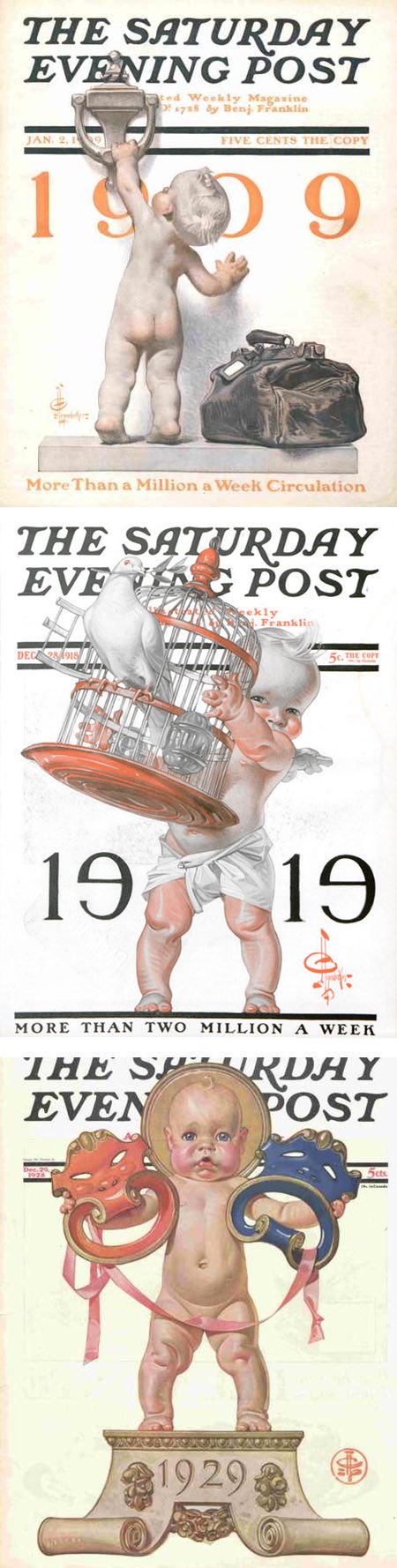
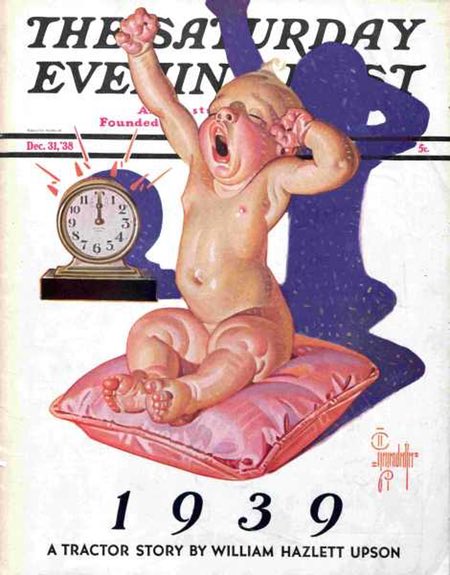
As has become my tradition every December 31st for the last 13 years, I’ll wish Lines and Colors readers a Happy New Year with some of J.C. Leyendecker’s wonderful Saturday Evening Post New Years covers.
American illustrator J.C. Leyendecker set our modern conception of representing the new year as a baby, with the use of a New Years baby to welcome in 1908. He continued the practice every year into the 1940s, usually incorporating topics of the day into his interpretation of the baby.
Here’s hoping you all have a great new year, filled with lots of great art and inspiration!
-Charley
Categories:
-
Berthe Morisot


Berthe Morisot (pronunciation here) is one of the least well known of the original Impressionist painters. She is often grouped with American painter Mary Cassatt as one of the two “female Impressionists”. It is a comparison that makes sense, though, in that both painters brought intimate domestic scenes into the Impressionist canon, as well as painting still life, landscapes and scenes of public life as was more common among their colleagues.
Morisot studied with several painters, notably Camille Corot and, informally, with Edouard Manet. She would become lifelong friends with Manet, and eventually married his brother, Eugène Manet.
Morisot was successfully exhibiting in the Salon — the official juried show of the French art establishment — and could have continued to do so, but joined instead with the “rejected artist” Impressionists for their independent exhibitions, from the first one onward.
Little is known of Morisot’s early style, as she was so critical of her own work that she destroyed most of what she did during her training years. She was experimental, working with pastel, watercolor and oil, and exploring variations in the Impressionist style later in her career.
She experimented with leaving parts of her canvas unfinished, giving many of her works a casual, informal appeal. Though she was influenced by her Impressionist colleagues, she was also an influence on them, and was highly regarded for her subtle color and innovative compositions.
Personally, I find her early landscapes particularly appealing, with their free brushwork over a firm foundation of drawing, an approach that shows the influence of Corot. Her figures and domestic scenes also have a combined feeling of strong composition and loose, gestural handling.
For those in the Philadelphia area, the Barnes Foundation is hosting an extensive exhibition of Morisot’s work, “Berthe Morisot: Woman Impressionist“, that continues until January 14, 2019.
The exhibition is excellent, with a broad overview of Morisot’s work and beautiful examples, well annotated. With the exception of two pieces, photography is permitted.
(A note about visiting the Barnes: The Barnes Foundation is one of the more expensive museums in the Philadelphia area, and admission prices may seem prohibitive to some, but the museum does have a monthly free access day that is not widely publicized: Free First Sunday Family Day is open to all, not just families. It starts at 10:00 am instead of the usual 11:00 opening time, and it’s best to get there early. The next one is on January 6, 2019, at which time the Morisot show will still be on display.)
Categories:
-
J.C. Leyendecker cover illustration for American Weekly


Cover illustration for American Weekly, December 19, 1948; J.C. Leyendecker
Link is to Heritage Auctions sold lots. Accessing the full high-res image requires a free account, but there is a somewhat smaller version on Tumblr here.
At first I thought that this was Leyendecker’s take on the popular song, “I Saw Mommy Kissing Santa Claus”, but the illustration was published in 1948, and the song was apparently first recorded and released in 1952.
Whether the magazine cover influenced the writing of the song is difficult to say, but it seems to me a likely scenario.
This feels like it was quickly realized by the standard of many of Leyendecker’s other illustrations, but is still shows his superb draftsmanship, and characteristic stylized fabric folds and rendering of hair.
Categories:
-
Peder Mønsted winter landscape


Snowy Forest Road in Sunlight, Peder Mørk Mønsted
The link is to a page on Wikimedia Commons from which you can download a high-resolution image. The original is in a private collection.
A beautiful evocation of winter to mark the Winter Solstice. I love how much green and red Monsted has worked into the painting. He has kept the chroma muted and relied on the effects of simultaneous contrast of the complementary colors to make them feel vibrant.
For more, see my previous posts on Peder Mønsted.
Categories:
-
Eye Candy for Today: Horace Vernet landscape


Departure for the Hunt in the Pontine Marshes, Horace Vernet
Oil on canvas, roughly 40 x 60 inches ( 100 x 150 cm); in the collection of the National Gallery of Art, Washington DC.
Vernet was a French painter active in the early 19th century, and his subjects included battles and historic events, portraits and Orientalist themes.
Here, he is fascinated with the landscape, even if the subject is ostensibly the hunters depicted as small figures in the shadows at middle right, behind the second foreground tree.
When I first visited the National Gallery, years ago — even among the stunning masterpieces in the collection — this and another Vernet painting of a similar subject caught my attention.
In this painting, it’s his use of value relationships that make the painting so striking for me — the contrast of the layers of dark and light, foreground to middle ground to background.
Another element of contrast is the wonderful difference in the texture of the three primary trees, two standing and one fallern.
I also love the dark mass of trees, punctuated with light, to the right of the composition, that lead our eye back into the painting.
Categories:
-
Allen Douglas (update)


Allen Douglas is a painter and illustrator whose work I featured back in 2011. As an illustrator, his clients include Penguin, Putnam, Tor, Berkley, Random House, Scholastic, HarperCollins, Harcourt, Little Brown, Macmillan/McGraw-Hill, and Wizards of the Coast.
Since my previous post, Douglas has initiated a new series of works under the banner of “Cryptid Visions”. “Cryptid” refers to animals whose existence is in question. Douglas has taken flights of fancy that combine one species with another, juxtapose size relationships and delve into dragons and other mythical beasts.
Among the works on his Cryptid Visions website, you can also find a few straightforwardly naturalistic paintings of birds. On that site, you can also find a selection of prints and original paintings.
You can find more of his illustration work on his ArtStationand deviantArt portfolios, as well as on the site of his artist representatives, Shannon Associates, and Kid Shannon.
See also my previous post on Allen Douglas.
Categories:




Charley’s Picks
Bookshop.org
(Bookshop.org affilliate links; sales benefit independent bookshop owners; I get a small percentage to help support my work on Lines and Colors)

John Singer Sargent: Watercolors


Urban Sketching: Understanding Perspective


.jpg)
Charley’s Picks
Amazon
(Amazon.com affiliate links; sales go to a larger yacht for Jeff Bezos; but I get a small percentage to help support my work on Lines and Colors)
John Singer Sargent: Watercolors
Urban Sketching: Understanding Perspective